
.jpeg)
What adverse reactions should be observed after using gosatuzumab (Todavi)?
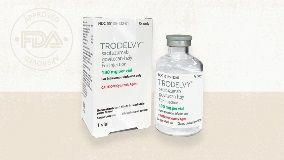
Sacituzumab Govitecan, trade name: Trodelvy) is an antibody-drug conjugate (ADC), used to treat triple-negative breast cancer (TNBC) and urothelial cancer (UC). Because its mechanism of action involves the targeted delivery of chemotherapy drugs by antibodiesSN-38, patients may experience a variety of adverse effects after receiving treatment. Therefore, close monitoring and management of these adverse effects is crucial to ensure safety and improve treatment efficacy. The following are common adverse reactions that need to be observed after using gosatuzumab:
1. Myelosuppression (especially neutropenia)
Gosatuzumab may cause severe myelosuppression, especially neutropenia (higher incidence of neutropenia).
Manifestations: leukopenia, neutropenia (may lead to febrile neutropenia), anemia, thrombocytopenia.
Monitoring measures: Routine blood tests must be performed before and during treatment to monitor the levels of white blood cells, neutrophils and platelets.
Management strategy: For severe neutropenia (grade 3 or grade 4), dose adjustment, treatment suspension, or the use of granulocyte colony-stimulating factor (G-CSF) may be necessary to promote leukocyte recovery.
2. Gastrointestinal adverse reactions (diarrhea, nausea, vomiting)
Gosatuzumab can cause severe gastrointestinal distress, most commonly diarrhea.
Manifestations: persistent diarrhea, nausea, vomiting, and loss of appetite. Severe diarrhea may lead to dehydration, electrolyte imbalance, and kidney damage.
Monitoring measures: Pay close attention to the frequency and severity of diarrhea during treatment, especially within 24 hours after the first dose.
Management strategies: Antidiarrheal medications (such as loperamide) can be used to control symptoms while ensuring the patient maintains fluid and electrolyte balance. If diarrhea is severe, treatment may need to be discontinued briefly and resumed when symptoms subside.
3. Allergic and infusion-related reactions
Gosatuzumab is an antibody-drug conjugate and may cause hypersensitivity reactions or infusion-related adverse reactions during infusion.
Manifestations: rash, itching, difficulty breathing, hypotension, fever, chills, etc. In severe cases, it may cause anaphylactic shock.
Monitoring measures: Patients should be closely observed for signs of allergic or infusion-related reactions during the first infusion and subsequent treatment.
Management strategies: For minor reactions, the infusion rate may be slowed or antiallergic medications (such as antihistamines or corticosteroids) may be administered. If a serious reaction occurs, the infusion should be stopped immediately and appropriate first aid measures should be administered.
4. Fatigue and general malaise
Patients may experience significant fatigue and decreased physical strength while receiving gosatuzumab.
Manifestations: extreme fatigue, weakness, decreased concentration, muscle weakness, etc.
Monitoring measures: Regularly assess the patient's energy levels and ask if ability to perform daily activities is affected.
Management strategy: Encourage patients to maintain moderate exercise, arrange rest periods appropriately, and ensure balanced nutrition.
5. Abnormal liver function
The chemotherapy component of gosatuzumabSN-38 may affect liver function.
Manifestations: Elevated liver enzymes (AST, ALT), elevated bilirubin, and liver function damage may occur in severe cases.
Monitoring measures: Liver function, including liver enzyme and bilirubin levels, needs to be monitored before and regularly during treatment.
Management strategy: If liver function abnormalities are significant, dose adjustment or treatment suspension may be necessary to avoid further damage.
6. Oral ulcers and mucositis
Gosatuzumab may cause oral ulcers and mucositis, affecting patients' eating and quality of life.
Manifestations: Oral pain, ulcers, dry mouth, difficulty swallowing.
Monitoring measures: Check the condition of the mouth and ask the patient if they have pain or difficulty eating.
Management strategies: Symptoms may be relieved with local anesthetics or an oral care regimen (such as saline rinses, avoidance of irritating foods).
7. Skin and nail changes
Some patients may experience adverse reactions such as dry skin, hyperpigmentation, hair loss, or brittle nails.
Symptoms: Itchy, dry skin, cracked or peeling nails.
Monitoring measures: Observe skin condition, especially during long-term treatment.
Management strategy: Use moisturizer to relieve dry skin, and consult a dermatologist for targeted treatment if necessary.
8. Abnormal renal function
Severe diarrhea or dehydration may cause damage to kidney function.
Manifestations: Increased serum creatinine, decreased urine output, and electrolyte imbalance.
Monitoring measures: Regularly check renal function indicators (creatinine, urea nitrogen) and pay attention to changes in urine output.
Management strategy: Maintain adequate fluid intake and avoid medications that may aggravate kidney damage.
Gosatuzumab (Trodelvy) is an effective anti-cancer drug, but its treatment may cause a series of adverse reactions, including bone marrow suppression (especially neutropenia), severe diarrhea, infusion reactions, fatigue, abnormal liver function, oral ulcers, skin changes, and renal impairment. During treatment, doctors and patients need to closely monitor these adverse reactions and take appropriate management measures to reduce risks and optimize treatment effects.
For patients taking gosatuzumab, routine blood tests, liver and kidney function tests should be performed regularly, and their symptoms should be observed at the same time. If they have any serious discomfort, they should seek medical treatment in time to ensure safe and effective treatment.
[ 免责声明 ] 本页面内容来自公开渠道(如FDA官网、Drugs官网、原研药厂官网等),仅供持有医疗专业资质的人员用于医学药学研究参考,不构成任何治疗建议或药品推荐。所涉药品可能未在中国大陆获批上市,不适用于中国境内销售和使用。如需治疗,请咨询正规医疗机构。本站不提供药品销售或代购服务。


