
.jpeg)
What are the common side effects of evantuzumab?
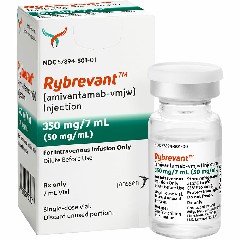
Amivantamab (Amivantamab) is a drug that targets epidermal growth factor receptor (EGFR) and MET
1. Skin reaction
Skin reactions are one of the most common side effects of evantumumab, especially during the early stages of treatment. The rash usually occurs within days to weeks after a patient starts treatment.
Manifestations: Common skin reactions in patients include erythema, papules, pruritus, dryness, and scaling. Some patients may experience a severe rash that manifests as skin breakdown or secondary infection.
Management: Mild skin reactions can be relieved by keeping the skin moist and using over-the-counter moisturizers. For moderate to severe rashes, your doctor may recommend topical or oral corticosteroid medications. For extremely severe rashes, treatment may need to be slowed or stopped temporarily until symptoms resolve.
2. Infusion-related reactions
As an antibody drug, patients may experience infusion-related reactions during the infusion of evantumumab, especially during the first infusion.
Manifestations: The most common infusion reactions include fever, chills, headache, hypotension, shortness of breath, nausea, rash, and general malaise. In severe cases, allergic reactions such as anaphylactic shock and shortness of breath may occur.
Management: If a mild infusion reaction occurs, symptoms can be relieved by slowing the infusion rate and administering an antipyretic and analgesic medication (such as acetaminophen or ibuprofen). For more severe reactions, treatment may need to be suspended, antihistamines or anti-allergy medications may be given, and the medication may need to be temporarily discontinued. For extremely serious reactions, such as anaphylactic shock, immediate emergency measures should be taken and the continued use of this drug should be evaluated based on your doctor's advice.
3. Fatigue
Another common side effect of evantumumab is fatigue, and many patients experience a decrease in energy during treatment.
Symptoms: Patients may experience unusual fatigue, low energy, and weakness even when not engaging in strenuous activity. Fatigue often affects patients' daily activities and quality of life.
Management: Patients should pay attention to rest, avoid overexertion, and arrange work and rest time reasonably. A balanced diet and moderate exercise can help relieve fatigue. For severe fatigue, your doctor may recommend adjustments to your treatment plan or supportive care.
4. Adverse pulmonary reactions
Due to its mechanism of action, evantumumab may have certain effects on the lungs and cause adverse reactions to the respiratory system.
Presentation: Common pulmonary symptoms include cough, dyspnea, and lung inflammation. Some patients may experience lung infection or decreased lung function during treatment, especially those with underlying lung disease.
Management: Patients should undergo regular pulmonary function tests during treatment, such as chest Xray, CT scan, etc., to detect lung abnormalities in a timely manner. If you have severe difficulty breathing or coughing, report it to your doctor immediately and receive necessary evaluation and treatment. For some pulmonary adverse reactions, doctors may need to adjust the treatment plan, suspend treatment, or add supportive care.
5. Gastrointestinal reactions
Gastrointestinal effects are another possible side effect, with common ones including nausea, vomiting, diarrhea and loss of appetite.
Manifestations: Some patients may experience nausea, vomiting, or weight loss due to loss of appetite while receiving evantumumab.
Management: Nausea and vomiting can be relieved with anti-nausea medications such as ondansetron. For diarrhea, patients can control symptoms by taking antidiarrheal medications (such as loperamide) and stay hydrated to prevent dehydration. Doctors may also adjust the dosage of treatment based on the patient's specific condition.
6. Immune system related side effects
As a monoclonal antibody, evantumumab may cause immune system-related side effects.
Manifestations: Patients may develop allergic reactions, immune-mediated skin lesions, or more severe autoimmune diseases.
Management: If a patient experiences an allergic reaction, antiallergic treatment should be given based on symptoms. If immune-mediated symptoms occur, your doctor may recommend the use of immunosuppressants or a pause in treatment.
7. Hyponatremia
Hyponatremia may occur during treatment with evantumumab, especially in patients with concomitant medical conditions or drug use.
Performance: Symptoms of hyponatremia include dizziness, nausea, vomiting, headache, fatigue, etc.
Management: Regularly monitor serum sodium levels, and timely sodium supplementation is required for patients with hyponatremia.
AmivantamabAmivantamab) include skin reactions, infusion-related reactions, fatigue, pulmonary adverse reactions, gastrointestinal reactions, immune system side effects, and hyponatremia. Most of these side effects are controllable, and patients need to closely monitor discomfort symptoms during treatment and communicate with their doctors in a timely manner so that the treatment plan can be adjusted and appropriate interventions taken. With scientific and reasonable management, most patients can tolerate evantumumab treatment and achieve significant therapeutic effects.
[ 免责声明 ] 本页面内容来自公开渠道(如FDA官网、Drugs官网、原研药厂官网等),仅供持有医疗专业资质的人员用于医学药学研究参考,不构成任何治疗建议或药品推荐。所涉药品可能未在中国大陆获批上市,不适用于中国境内销售和使用。如需治疗,请咨询正规医疗机构。本站不提供药品销售或代购服务。


