
.jpeg)
Instructions on contraindications of eflornithine (IWILFIN) and those for whom its use is not recommended
Eflornithine (IWILFIN) is an oral antineoplastic nucleoside analog primarily used to treat certain types of solid or hematological tumors. Its mechanism of action is to inhibit DNA synthesis and interfere with tumor cell proliferation and division, thereby achieving anti-cancer effects. However, due to its pharmacological properties and metabolic pathways, there are certain risks during use of eflornithine, and its use is contraindicated and not recommended for certain groups of people.
Based on available clinical data, the main contraindications to eflornithine include:
1.Those who are allergic to eflornithine or any ingredients in the preparation;
2.In patients with severe hepatic or renal insufficiency, because the drug is mainly metabolized and excreted through the liver and kidneys, impaired function may lead to increased blood drug concentration and toxicity;
3.Pregnant and lactating women should strictly avoid using the drug as it may cause serious harm to the fetus or infant.
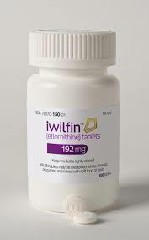
Eflornithine is not suitable for the following people:
1.For patients with severe bone marrow suppression, such as platelets, white blood cells or neutrophils that are significantly low, use may further aggravate bone marrow suppression;
2.Patients with severe infections or immunocompromised patients may have an increased risk of infection due to drug inhibition of cell proliferation;
3.Those who have experienced serious adverse reactions to other antimetabolite chemotherapy drugs in the past need to use them with caution or assess the risks under the supervision of a specialist.
In clinical applications, we should strictly follow Doctor’s guidance and evaluate patients’ basic diseases and laboratory indicators Then decide whether to use eflornithine. For those with contraindications or high risk, alternative treatment options should be considered or dosage adjustments and close monitoring should be performed. During the treatment process, hematology, liver and kidney function and infection indicators should be regularly evaluated , and adverse reactions should be discovered and dealt with in a timely manner to ensure patient safety and improve efficacy.
Reference link:https://www.drugs.com
xa0
[ 免责声明 ] 本页面内容来自公开渠道(如FDA官网、Drugs官网、原研药厂官网等),仅供持有医疗专业资质的人员用于医学药学研究参考,不构成任何治疗建议或药品推荐。所涉药品可能未在中国大陆获批上市,不适用于中国境内销售和使用。如需治疗,请咨询正规医疗机构。本站不提供药品销售或代购服务。


