
.jpeg)
Summary of clinical effects and patient feedback of fenelidone (Kesenda) in the treatment of heart failure
Finerenone (Finerenone) is a new oral selective mineral cortical receptor antagonist (MRA), mainly used for patients with chronic heart failure accompanied by reduced left ventricular ejection fraction (HFrEF) or heart failure patients with chronic kidney disease. It inhibits fibrosis and inflammatory responses by selectively antagonizing mineralocortical receptors in the heart and kidneys, thereby improving cardiac structure and function while reducing the risk of adverse cardiovascular events. Compared with traditional MRA such as spironolactone or eplerenone, fenelinone performs better in selectivity and tolerability, and has relatively little impact on elevated blood potassium and renal function.
Clinical studies have shown that fenelidone has significant efficacy in patients with chronic heart failure. FINERONE The results of a series of clinical trials show that adding fenelidone to patients receiving standard heart failure treatment can significantly reduce the risk of cardiovascular mortality, heart failure hospitalization rates and the composite endpoint of cardiac events. In addition, fenelidone can improve patients' quality of life and exercise tolerance, allowing some patients to reduce dyspnea and fatigue during daily activities, thus significantly improving the overall life experience. Clinical observations also show that for patients with heart failure accompanied by diabetes or chronic kidney disease, fenelidone also has a positive effect in protecting renal function and controlling proteinuria.
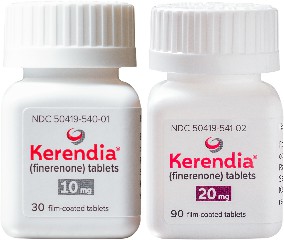
In terms of patient feedback, most patients who use fenelidone said that the drug can help stabilize heart failure symptoms, especially in relieving fatigue, dyspnea, and night-time breath-holding. Some patients reported improved exercise tolerance after taking the drug for a few weeks, such as no longer being short of breath when walking or going up and down stairs. At the same time, because fenelidone is convenient to take orally and has high medication compliance, patients can adhere to treatment for a long time without major interference in life. Patients and their families generally believe that the drug plays a positive role in improving the quality of daily life and delaying the progression of the disease.
In terms of safety and monitoring, fenelidone was generally well tolerated. Common adverse reactions include increased serum potassium, mild to moderate hypotension, or slight fluctuations in renal function indicators. The incidence of severe hyperkalemia is lower compared with conventional MRA, but serum potassium levels and renal function still need to be monitored regularly, especially in patients with pre-existing renal insufficiency or diuretics. In addition, patients should maintain a healthy lifestyle while taking the medication, including a low-salt diet, moderate exercise, and regular follow-up visits to help the medication achieve optimal efficacy and reduce potential risks.
Taken together, fenelidone demonstrates clear clinical value in the treatment of chronic heart failure: it not only reduces the risk of cardiovascular events but also improves symptoms and quality of life. Patient feedback shows that the drug is convenient to use, has high compliance, and has controllable side effects, making it suitable for long-term maintenance treatment. As more real-world data accumulates, fenelidone is expected to become a routine treatment option for heart failure patients, especially high-risk groups with renal dysfunction or diabetes, bringing patients a more robust quality of life and long-term benefits.
Reference link:https://www.drugs.com
[ 免责声明 ] 本页面内容来自公开渠道(如FDA官网、Drugs官网、原研药厂官网等),仅供持有医疗专业资质的人员用于医学药学研究参考,不构成任何治疗建议或药品推荐。所涉药品可能未在中国大陆获批上市,不适用于中国境内销售和使用。如需治疗,请咨询正规医疗机构。本站不提供药品销售或代购服务。


