
.jpeg)
Analysis of the mechanism of action and drug properties of rasagiline (Azilate)
Rasagiline (Rasagiline) is an oral small molecule drug that is a selective monoamine oxidase B (MAO-B) inhibitor. It is mainly used for the treatment of Parkinson's disease (PD). Its core mechanism of action is to inhibit the degradation of dopamine in the brain, thereby increasing the concentration of dopamine in the synaptic cleft and improving dopaminergic neurotransmission function. Compared with traditional non-selective MAO inhibitors, rasagiline is highly selective for MAO-B and does not significantly inhibit MAO-A, thereby reducing the risk of interactions with food and other drugs.
In terms of drug properties, rasagiline has good oral bioavailability and rapid onset of action. The drug is rapidly absorbed from the gastrointestinal tract, crosses the blood-brain barrier, and exerts effects on the central nervous system. The moderate half-life supports once-daily dosing, which not only improves patient compliance but also facilitates long-term maintenance treatment. Its metabolism is mainly carried out through the liver CYP1A2enzyme pathway. When using it, attention should be paid to potential interactions with CYP1A2 inhibitors or inducers.
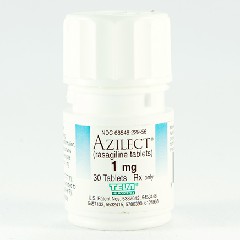
In terms of clinical application, rasagiline can be used as a single agent for patients with early-stage Parkinson's disease or in combination with levodopa for patients with mid-to-late stage PD to improve "on-off fluctuations" and motor symptoms. Research shows that rasagiline not only improves motor symptoms, but also has potential neuroprotective effects and can delay the progression of the disease. Its good tolerability means that most patients will not experience obvious adverse reactions during long-term treatment. Common side effects include headache, joint pain, insomnia or mild gastrointestinal discomfort, and most of them are controllable mild to moderate reactions.
Taken together, rasagiline provides an effective motor symptom management solution for Parkinson's disease patients through the mechanism of selectivityMAO-B inhibiting and increasing dopamine levels in the brain. Its drug properties include oral convenience, once-daily dosing, good compliance, and controllable adverse reactions, making it an important treatment option for patients with early and moderately advanced PD. At the same time, due to its potential neuroprotective effect, rasagiline has certain clinical prospects and research value in the long-term management of Parkinson's disease.
Reference link:https://www.drugs.com
[ 免责声明 ] 本页面内容来自公开渠道(如FDA官网、Drugs官网、原研药厂官网等),仅供持有医疗专业资质的人员用于医学药学研究参考,不构成任何治疗建议或药品推荐。所涉药品可能未在中国大陆获批上市,不适用于中国境内销售和使用。如需治疗,请咨询正规医疗机构。本站不提供药品销售或代购服务。


