
.jpeg)
How to choose between fenelidone (Kesenda) and dapagliflozin and suggestions for combined use
Finerenone and dapagliflozin are commonly used clinically to treat patients with chronic kidney disease combined with cardiovascular disease or diabetes, but their mechanisms of action and applicable populations are different. Fenelidone is a selective non-steroidal mineralocorticoid receptor antagonist (ns-MRA). It mainly blocks the adverse effects of aldosterone in heart and kidney tissue, thereby reducing inflammation and fibrosis. It has significant effects on delaying the deterioration of renal function and reducing cardiovascular risk. Dapagliflozin is a sodium -glucose cotransporter 2 (SGLT2) inhibitor. It mainly acts on the proximal tubules of the kidney, reducing the reabsorption of glucose and sodium, lowering blood sugar while improving renal hemodynamics, reducing proteinuria, and reducing the risk of heart failure. Therefore, if the patient has significant proteinuria and rapid decline in renal function, the benefit of fenelidone is more prominent; and if the patient has heart failure or poor blood sugar control, dapagliflozin is more suitable.
Based on the clinical trial data, fenelidone is effective in FIDELIO-DKD and FIGARO-DKD
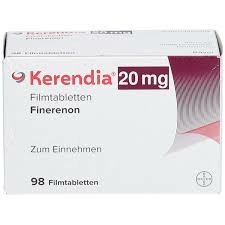
In terms of combined medication, the latest clinical studies and guidelines show that fenelidone and dapagliflozin have complementary effects. Since the two have different mechanisms of action, improving cardiorenal protection through the MRA pathway and the SGLT2 pathway respectively, combined medication can not only enhance the effect of reducing proteinuria and delay the deterioration of renal function, but also further reduce the risk of cardiovascular events and heart failure hospitalization. This advantage of "mechanism complementarity" makes combined regimens gradually become a trend among patients with chronic kidney disease combined with diabetes or heart failure. However, it is necessary to pay attention to the patient's renal function level and blood potassium status during use to avoid the risk of hyperkalemia caused by fenelidone or dehydration caused by dapagliflozin.
Overall, fenelidone and dapagliflozin are notRather than a “choose one” relationship, individual choices can be made based on the patient’s condition, and they can even be used in combination. If the patient's main symptoms are persistent proteinuria, inflammation and high risk of fibrosis, fenelidone is preferred; if the main problem is heart failure or diabetes control, dapagliflozin is more suitable; if the patient has both types of problems, a combined regimen can be used under the guidance of a doctor to achieve the goal of maximizing cardiorenal protection. Reasonable individualized treatment and dynamic evaluation are the keys to achieving the best therapeutic effect.
Reference link:https://www.drugs.com
[ 免责声明 ] 本页面内容来自公开渠道(如FDA官网、Drugs官网、原研药厂官网等),仅供持有医疗专业资质的人员用于医学药学研究参考,不构成任何治疗建议或药品推荐。所涉药品可能未在中国大陆获批上市,不适用于中国境内销售和使用。如需治疗,请咨询正规医疗机构。本站不提供药品销售或代购服务。


