
.jpeg)
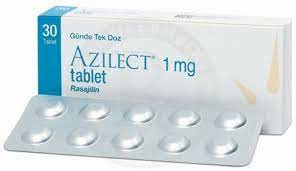
Rasagiline (Azilai) adverse reactions and prevention and treatment measures
Rasagiline (Rasagiline), as a monoamine oxidase MAO-B (MAO-B) inhibitor, is widely used in the treatment of Parkinson's disease as a monotherapy or in combination with levodopa. It can effectively delay disease progression and improve motor symptoms. However, like all medications, rasagiline may cause some side effects while being effective. Patients and clinicians need to be fully aware of these potential risks during use and take scientific prevention and treatment measures to ensure drug safety and maximize efficacy. The following will provide a detailed description from four aspects: common adverse reactions, serious adverse reactions, preventive measures and response strategies.
1. Common adverse reactions of rasagiline
During clinical use, the most common adverse reactions of rasagiline are usually related to its effects on the central nervous system. Patients may experience central symptoms such as headache, dizziness, drowsiness, insomnia, and mild anxiety. These reactions are mostly mild or moderate and can often be alleviated with prolonged treatment or dose adjustment. In addition, some patients will experience gastrointestinal discomfort after taking the drug, including nausea, vomiting, abdominal pain and indigestion, which are usually related to the effect of the drug on the gastrointestinal mucosa and central nervous system regulation. Because rasagiline enhances dopaminergic nerve conduction, some patients may also experience movement-related side effects such as muscle stiffness, increased tremor, or dyskinesia. Such symptoms are more prominent when combined with levodopa, and you need to be alert to the impact of drug-drug interactions.
2. Serious adverse reactions and risk warnings
In addition to the common reactions mentioned above, rasagiline may cause serious adverse reactions in individual cases. First of all, as a MAO-B inhibitor, rasagiline theoretically has the risk of a "tyramine reaction", that is, when excessive intake of tyramine-containing foods (such as aged cheese, pickled foods), it may cause a significant increase in blood pressure and even trigger a hypertensive crisis. Although rasagiline is highly selective at recommended doses and the actual risk is relatively low, vigilance is still required. Secondly, some patients may experience depression, mood swings or even suicidal ideation, which is related to the drug's regulation of the balance of central monoamine neurotransmitters. Furthermore, rasagiline may also have serious interactions with other drugs, especially when combined with drugs such as selective 5-serotonin reuptake inhibitors (SSRIs), tricyclic antidepressants, or pethidine, which may induce "serotonin syndrome", manifested by high fever, myotonia, psychiatric symptoms, and autonomic nervous system disorders, which can be life-threatening in severe cases.
3. Measures to prevent adverse reactions
In order to reduce the risk of adverse reactions to rasagiline, the indications and dosage should first be strictly controlled. The commonly recommended clinical dose is 1mg daily, the dosage should not be increased arbitrarily, especially elderly patients and patients with liver damage need to be more cautious. Dietary management is equally important, and patients should avoid excessive consumption of foods high in tyramine content to reduce the risk of hypertensive crisis. For patients with comorbid depression or anxiety, a detailed mental status assessment is required before using rasagiline, and concomitant use with high-risk antidepressants should be avoided. Clinicians should also check the patient's medication history in detail when prescribing and avoid combining it with drugs that have dangerous interactions such as pethidine, tramadol, and dextromethorphan. In addition, patients should regularly monitor blood pressure, liver function and neuropsychiatric symptoms to facilitate early detection of abnormalities.
4. Suggestions for dealing with adverse reactions
During the course of medication, once mild adverse reactions occur, such as headache, nausea or mild insomnia, they can be alleviated by adjusting the medication time, short-term symptomatic treatment or tolerance observation. If the symptoms significantly affect the quality of life, appropriate reduction or replacement of the drug needs to be considered. When a patient develops symptoms of hypertensive crisis (such as severe headache, palpitations, sharp rise in blood pressure), the drug should be stopped immediately and sent to the hospital for treatment. Antihypertensive drugs should be used for control if necessary. If serotonin syndrome is suspected, all suspected drugs should be stopped immediately, and supportive treatment, sedation, cooling and other treatments should be given. Severe cases need to be admitted to the intensive care unit. For psychiatric symptoms such as depression or hallucinations, doctors should evaluate whether the treatment plan needs to be adjusted and, if necessary, combined with psychiatric intervention. Overall, early identification and proactive intervention are key to ensuring patient safety.
In summary, rasagiline, as a MAO-B inhibitor with definite efficacy, plays an important role in the treatment of Parkinson's disease, but it also has a certain risk of adverse reactions. By rationally selecting patients, strictly abiding by medication specifications, strengthening diet and drug interaction management, and actively monitoring and handling possible adverse reactions, the safety and effectiveness of treatment can be ensured to the greatest extent. Patients should maintain close communication with their doctors during daily medication, provide timely feedback on their physical conditions, and achieve early detection and early intervention in order to truly benefit from rasagiline treatment.
Reference link:https://www.drugs.com
[ 免责声明 ] 本页面内容来自公开渠道(如FDA官网、Drugs官网、原研药厂官网等),仅供持有医疗专业资质的人员用于医学药学研究参考,不构成任何治疗建议或药品推荐。所涉药品可能未在中国大陆获批上市,不适用于中国境内销售和使用。如需治疗,请咨询正规医疗机构。本站不提供药品销售或代购服务。


