
.jpeg)
How to deal with resistance to seputinib/serpatinib
Selpercatinib, as a highly effective RET inhibitor, has shown significant efficacy in the treatment of RET-driven non-small cell lung cancer (NSCLC) and thyroid cancer. However, like most targeted drugs, resistance problems may still occur during long-term use. The drug resistance mechanism is complex and may involve acquired RET mutations in tumor cells, activation of alternative pathways, or phenotypic transformation of tumor cells. Understanding how to deal with drug resistance is key to prolonging patient benefit.
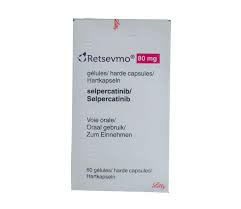
First of all, one of the common resistance mechanisms is secondary mutations in the RET kinase domain, which will lead to a decrease in the binding ability of the drug to the target, thereby weakening the inhibitory effect of seprotinib. Faced with this situation, researchers are actively developing next-generation RET inhibitors to overcome resistance to existing drugs. For example, some new molecules can target the "gating residue mutations" of RET, providing potential solutions for patients who have already developed drug resistance.
Secondly, the activation of bypass signaling pathways is also an important cause of drug resistance. Even if RET is effectively inhibited, tumor cells may continue to drive proliferation through other pathways (such as the MET, KRAS, or EGFR pathways). In this case, combination therapy becomes a strategy. For example, on the basis of resistance to seputinib, if the test detects concomitant MET amplification, combined MET inhibitor treatment can be considered. Similarly, the combined application of immunotherapy and targeted drugs is also being explored in the hope of further delaying the occurrence of drug resistance.
In addition, genetic testing plays an important role in drug resistance response. When patients experience disease progression, re-performing tissue biopsy or liquid biopsy can help clarify the resistance mechanism and guide treatment adjustments. This dynamic monitoring concept has gradually become a new standard for precision tumor treatment.
Reference:https://en.wikipedia.org/wiki/Selpercatinib
[ 免责声明 ] 本页面内容来自公开渠道(如FDA官网、Drugs官网、原研药厂官网等),仅供持有医疗专业资质的人员用于医学药学研究参考,不构成任何治疗建议或药品推荐。所涉药品可能未在中国大陆获批上市,不适用于中国境内销售和使用。如需治疗,请咨询正规医疗机构。本站不提供药品销售或代购服务。


