
.jpeg)
What precautions should you take when taking Enasidenib?
In clinical studies of enasidenib in acute myeloid leukemia (AML), warnings and precautions are a topic that cannot be ignored, especially with regard to differentiation syndromes and embryo-fetal toxicity. The occurrence of these phenomena may pose a serious threat to the life safety of patients, and therefore requires great attention and timely response.
Differentiation syndrome is a common adverse reaction in patients treated with ensidipine. The occurrence of this phenomenon is closely related to the rapid proliferation and differentiation of bone marrow cells. Although there is currently no specific diagnostic test to confirm differentiation syndrome, a range of associated symptoms have been observed clinically. These symptoms include, but are not limited to, acute respiratory distress, hypoxia, pulmonary infiltrates, pleural effusion, renal damage, fever, lymphadenopathy, bone pain, and peripheral edema accompanied by rapid weight gain. These symptoms not only affect the patient's quality of life, but may also lead to fatal consequences in severe cases.
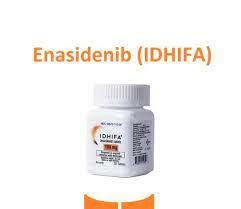
Differentiation syndrome can occur between 1 day and 5 months after initiation of ensidipine treatment and symptoms may be accompanied by or without hyperleukocytosis. Therefore, if a patient develops the above symptoms during treatment with ensidipine, doctors will recommend starting corticosteroid treatment immediately. Commonly used drugs such as dexamethasone, 10 mg every 12 hours, are administered orally or intravenously. At the same time, hemodynamic monitoring is necessary to ensure that the patient's condition is appropriately assessed and managed during treatment.
The dose of corticosteroids can be tapered only after the patient's symptoms have resolved. If the patient's symptoms do not improve during corticosteroid treatment, especially if severe pulmonary symptoms or renal dysfunction occur and persist for more than 48 hours, the use of ensidipine should be discontinued immediately until the patient's symptoms and signs improve significantly. In addition, it is clinically recommended that patients with pulmonary and/or renal manifestations be hospitalized for observation to allow for close monitoring and timely intervention.
On the other hand, embryo-fetal toxicity is also an issue that requires special attention when using ensidipine. According to animal experiment results, ensidipine may cause harm to embryos and fetuses when used in pregnant women. Studies have shown that at recommended human doses, ensidipine may cause embryo-fetal toxicity when the area under the concentration-time curve (AUC) reaches 0.1 times the steady-state clinical exposure. Therefore, when doctors prescribe ensidipine to pregnant women, they must inform them of the potential risks it may cause to the fetus, so that patients can make an informed choice.
To protect pregnant women and their unborn child, advise all women of childbearing potential to take ensidipine for at least 10 days during treatment and after the last doseWithin 2 months, be sure to take effective contraceptive measures. This not only applies to women, but men with childbearing potential should also take appropriate contraceptive measures during this period to avoid adverse effects on offspring due to the effects of the drug.
Reference materials:https://www.idhifa.com/
[ 免责声明 ] 本页面内容来自公开渠道(如FDA官网、Drugs官网、原研药厂官网等),仅供持有医疗专业资质的人员用于医学药学研究参考,不构成任何治疗建议或药品推荐。所涉药品可能未在中国大陆获批上市,不适用于中国境内销售和使用。如需治疗,请咨询正规医疗机构。本站不提供药品销售或代购服务。


