
.jpeg)
How long does it take for cabergoline to cause cancer?
Whether long-term use of cabergoline can cause cancer has always been a concern in clinical and scientific research fields. Some early studies suggest that long-term use of high-dose cabergoline may be associated with the risk of heart valve disease, and concerns about cancer mostly stem from an overinterpretation of the drug's safety. Currently, international mainstream medical literature has not confirmed a direct causal relationship between cabergoline and cancer.
Cabergoline is a dopamineD2 receptor agonist, and its main target is the prolactin-secreting cells of the pituitary gland. Drugs control hyperprolactinemia and the progression of prolactinoma by inhibiting prolactin synthesis and release. There is no clear carcinogenic mechanism in this process. In contrast, if prolactin levels are not controlled for a long time, it may lead to osteoporosis, reproductive disorders and even further tumor growth, which are even greater threats to health.
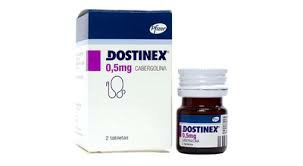
In overseas long-term follow-up studies, some patients who received cabergoline for more than ten years did not show a significant increase in cancer risk. In comparison, what is truly concerning is that a small number of patients may develop mild heart valve thickening or fibrotic changes, which is why clinicians regularly monitor cardiac function during long-term management.
Therefore, there is currently no scientific evidence to support the concern about how long it will take for cabergoline to cause cancer. If patients take it for a long time under standard dosage and doctor's guidance, the benefits far outweigh the potential risks. Instead of worrying about cancer, it is better to pay more attention to regular review of prolactin levels, monitoring of imaging changes and cardiac color ultrasound follow-up.
In general, cabergoline is a core drug for the treatment of hyperprolactinemia (HPRL), and its safety has been verified in a large number of international clinical applications. It is necessary to be moderately concerned about potential risks, but there is no scientific basis for excessive worry about cancer. Patients can benefit to the greatest extent from standard treatment and long-term follow-up, and can effectively avoid long-term harm caused by the disease.
Reference materials:https://www.drugs.com/mtm/cabergoline.html
[ 免责声明 ] 本页面内容来自公开渠道(如FDA官网、Drugs官网、原研药厂官网等),仅供持有医疗专业资质的人员用于医学药学研究参考,不构成任何治疗建议或药品推荐。所涉药品可能未在中国大陆获批上市,不适用于中国境内销售和使用。如需治疗,请咨询正规医疗机构。本站不提供药品销售或代购服务。


