
.jpeg)
What is the target of crizotinib/Xalkori?
Crizotinib is a small molecule targeted inhibitor that is widely used in the treatment of non-small cell lung cancer (NSCLC) worldwide. Its core advantage lies in its ability to precisely inhibit specific molecular targets, thereby blocking the signaling pathways of cancer cells and inhibiting tumor proliferation and spread. The main targets of crizotinib include ALK (anaplastic lymphoma kinase), ROS1 and c-MET. This multi-target inhibitory property is also an important reason why it is different from many single-targeted drugs.
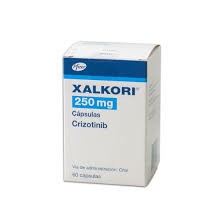
ALK is one of the main targets of crizotinib. ALK gene rearrangements exist in some patients with non-small cell lung cancer, the most common form of which is EML4-ALK fusion. The fusion gene causes the ALK protein tyrosine kinase domain to be continuously activated, thereby driving the unlimited proliferation of tumor cells. Crizotinib competitively binds to the ATP binding site of ALK kinase, preventing the continued activation of its downstream signaling pathways such as PI3K/AKT and MAPK, thereby inhibiting the survival and proliferation of cancer cells. This mechanism of action makes it a landmark treatment for patients with ALK-positive non-small cell lung cancer.
In addition toALK, crizotinib also has an inhibitory effect on ROS1 gene rearrangement. ROS1 is a receptor tyrosine kinase that forms a continuously activated fusion protein when rearranged, driving the malignant progression of tumor cells. The molecular structure of crizotinib can effectively bind to the ROS1 kinase domain and block its signal transmission, thereby achieving the purpose of controlling tumor growth. For patients with ROS1-positive non-small cell lung cancer, crizotinib is also recommended as an important treatment option, especially when there are no other targeted drugs available, its clinical significance is even more prominent.
c-MET is another key target of crizotinib. The c-MET receptor is usually activated by hepatocyte growth factor (HGF) and participates in cell growth, migration and repair processes under normal physiological conditions. However, in the tumor environment, abnormal activation or gene amplification of c-MET can accelerate the metastasis and invasion of tumor cells. Crizotinib can bind to and inhibit c-MET kinase activity, preventing continued signaling of downstream pathways such as RAS-ERK, thereby slowing the spread of tumors. This property also makes crizotinib potentially valuable in research on a variety of solid tumors.
Reference materials:https://go.drugbank.com/drugs/DB08865
[ 免责声明 ] 本页面内容来自公开渠道(如FDA官网、Drugs官网、原研药厂官网等),仅供持有医疗专业资质的人员用于医学药学研究参考,不构成任何治疗建议或药品推荐。所涉药品可能未在中国大陆获批上市,不适用于中国境内销售和使用。如需治疗,请咨询正规医疗机构。本站不提供药品销售或代购服务。


