
.jpeg)
Chemotherapy-free combination of ribociclib/trastuzumab/letrozole shows PFS benefit in HR+/HER2+ breast cancer
Based on research conducted in South Korea1b/2 Data from the MINI trial (NCT03913234), in patients with metastatic hormone receptor-positive, HER2-positive breast cancer, Ribociclib, First-line treatment with trastuzumab and the aromatase inhibitor (AI) letrozole, with or without a GnRH agonist, is effective and has a manageable safety profile, supporting its use as a chemotherapy-free regimen in this population.
Results published in 2025 showed that at a median follow-up of 15.8 months (95% CI, 12.9-19.1), the median progression-free survival in the stage 2 population (n=77) was 30.4 months (95% CI, 19.6 not applicable [NA]). The median overall survival (OS) in this population was NA (95% CI, NA-NA).
The overall response rate (ORR) was 60.7% in the total study population (n=90), including patients in the Phase 1b (n=13) and Phase 2 portions. This included a complete response (CR) rate of 3.3% and a partial response (PR) rate of 53.3%. 36.7% of patients had stable disease (SD), no patients had disease progression, and 6.7% of patients were not evaluable (NE). The clinical benefit rate (CBR) in the overall population was 84.5%, and the median duration of response (DOR) was 12.2 months (range, 7.6-13.8).
In the phase 1b portion of the studythe ORR was 58.3%; the PR rate was 53.9%, the SD rate was 38.5%, and 7.7% of patients had NE. No patient achieved CR. The CBR was 83.3% and the median DOR was 17.5 months (range 7.3-35.5). In stage 2, the ORR was 61.1%, and the CR, PR, and SD rates were 3.9%, 53.2%, and 36.4%, respectively. Overall, 6.5% of patients had NE. The CBR was 84.7% and the median DOR was 11.8 months (range 7.6-13.4).
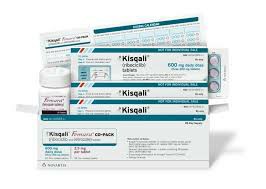
The MINI trial reinforces the rationale for the first-line use of CDK4/6 inhibitors as a chemotherapy-free strategy in HER2-positive, hormone receptor-positive metastatic breast cancer and is consistent with previous findings from the [Phase 3] DETECT V [NCT012344472] and [Phase 1/2] ASPIRE [NCT3304080] trials.
1.MINI trial: background, design and baseline characteristics
This multi-center, single-arm, prospective trial was conducted at 17 academic institutions in South Korea and included phase 1b and phase 2 parts. Premenopausal and postmenopausal patients with hormone receptor-positive, HER2-positive metastatic breast cancer were included in two parts of the study. Other key eligibility requirements include no prior systemic therapy for metastatic breast cancer and baseline left ventricular ejection fraction within the normal range. No prior exposure to neoadjuvant/adjuvant trastuzumab or endocrine therapy was allowed, except for patients with a disease-free interval of more than 12 months since the last dose of trastuzumab and patients with more than 2 years since the last dose of adjuvant endocrine therapy. Patients with stable central nervous system (CNS) metastases were allowed to enroll.
The Phase 1b portion included a standard 3+3 design in which 13 patients received 8 mg/kg of trastuzumab as a loading dose followed by 6 mg/kg every 3 weeks; 2.5 mg of letrozole daily; and increasing daily doses of reboxil (200 mg, 400 mg, and 600 mg) with or without a GnRH agonist for 3 weeks/1 week. In phase 2, all 77 patients received the recommended phase 2 dose (RP2D) of rebociclib in combination with trastuzumab and letrozole, with or without a GnRH agonist.
The primary endpoint of Phase 1b is identification of RP2D. In the second phase, the primary endpoint is PFS. Secondary endpoints include OS, overall response rate, duration of response and safety. Of note, the PAM50 test was conducted to determine the correlation between intrinsic subtypes and treatment efficacy in the Phase 2 patient population. The median age of all patients in the study was 60 years (range 31-85 years).
2. Safety data andPAM50 analysis
The overall safety profile of the study combination was consistent with previously reported data for reboxil plus endocrine therapy. All patients experienced any grade of adverse reactions (AE), of which 77.8% were grade 3 or higher. Serious adverse events were reported by 17.8% of patients. Dose reduction was required in 33.3% of patients, and 7.8% experienced adverse events leading to permanent treatment discontinuation. One patient died from an aortic aneurysm.
The most common hematologic toxicity was neutropenia (any grade, 66.7%; grade ≥3, 63.3%), followed by anemia (18.9%; 5.6%). The most common non-hematological adverse events were pruritus (24.4%; 0.0%), nausea (22.2%; 0.0%), arthralgia (18.9%; 5.6%), rash (16.7%; 1.1%), and increased alanine aminotransferase levels (15.6%; 2.2%). Adverse events of particular concern included decreased ejection fraction (2.2%; 0.0%), heart failure (1.1%; 1.1%), and QTc prolongation (1.1%; 0.0%).
PAM50 subtype distribution and survival analysis (n=77) showed luminal A (31.2%), luminal B (36.4%), and HER2-enriched (31.2%); the underlying subtype had a lower incidence of 1.3%. No significant correlation between intrinsic subtype and median PFS was observed (P=0.8326).
Reference materials:https://www.onclive.com/view/chemo-free-combination-of-ribociclib-trastuzumab-letrozole-shows-pfs-benefit-in-hr-her2-breast-cancer
[ 免责声明 ] 本页面内容来自公开渠道(如FDA官网、Drugs官网、原研药厂官网等),仅供持有医疗专业资质的人员用于医学药学研究参考,不构成任何治疗建议或药品推荐。所涉药品可能未在中国大陆获批上市,不适用于中国境内销售和使用。如需治疗,请咨询正规医疗机构。本站不提供药品销售或代购服务。


