
.jpeg)
Study of dupilumab plus cemiplimab in early-stage resectable non-small cell lung cancer
In recent years, as a common type of lung cancer, treatment methods for non-small cell lung cancer (NSCLC) have been continuously developed. If patients with early-stage resectable non-small cell lung cancer receive effective preoperative treatment, their surgical outcomes and survival prognosis will be significantly improved. Against this background, studies on the combined use of Dupixent and Cemiplimab in patients with early-stage resectable non-small cell lung cancer have gradually attracted the attention of clinicians and researchers.
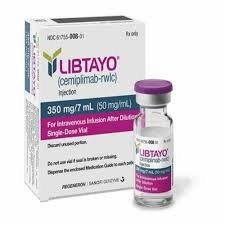
This study is designed as a Phase 1/2 trial (NCT06088771)The basic principles are detailed in the article published in 2025. This trial is unique in that it combines the anti-interleukin (IL)-4Rα drug dupilumab with the anti-PD-1 drug cimepilimab, with the intention of exploring their combined use in a new adjuvant setting.
Research points out that dupilumab has a good foundation in clinical application and is mainly used to treat diseases such as asthma and allergic rhinitis. Nowadays, its application in the treatment of lung cancer appears promising, especially when combined with the PD-1 inhibitor cimepilimab. Preliminary research results show a synergistic effect between the two. The potential of this combination therapy is that dupilumab can reduce the burden of lung tumors by blocking IL-4 signaling and activating dendritic cells and T effector cells.
In terms of study design, this single-arm study recruits patients with early-stage resectable non-small cell lung cancer of any histological type. Patients are specifically required to have pathological stage ≥T1b and must meet the criteria for surgical candidates. In addition, participants were required to undergo a preoperative fresh tissue biopsy. To ensure the safety and efficacy of the trial, patients with autoimmune diseases, confirmed metastatic disease or EGFR mutations, and patients with ALK/ROS1 rearrangements were excluded. In addition, patients must not have metastatic disease or receive prescriptions for immunomodulation within 8 weeks before enrollment to avoid interfering with study results.
This study plans to recruit approximately12 to 21 patients. This sample size is designed for the preliminary exploration phase of the clinical trial and aims to evaluate the safety and feasibility of the treatment through preliminary data collection. All participants will receive 3 to 6 core needle biopsies and stool samples during screening to obtain more biomarker information to aid subsequent analysis.
In terms of treatment plan, patients will be treated on the Received a combination of 350 mg of cimepilumab and 600 mg of dupilumab on day 1, with surgery planned within 7 days of day 15. This method of preoperative combined treatment hopes to achieve a significant pathological response before surgery, thereby improving the success rate of surgery and the patient's survival prognosis. After surgery, patients will receive follow-up visits for approximately 30 days to monitor recovery and possible side effects.
The primary endpoints of this study were to assess the safety and feasibility of the treatment, as well as the rate of major pathological response. Secondary endpoints cover multiple aspects of postoperative recovery, including length of surgery, pathological complete response rate, event-free survival rate, and overall survival rate. These endpoints will provide us with more comprehensive clinical data to help determine the effectiveness of dupilumab and cimepilimab combination therapy.
Reference materials:https://www.onclive.com/view/dr-azenkot-on-dupilumab-plus-cemiplimab-in-early-stage-resectable-nsclc
[ 免责声明 ] 本页面内容来自公开渠道(如FDA官网、Drugs官网、原研药厂官网等),仅供持有医疗专业资质的人员用于医学药学研究参考,不构成任何治疗建议或药品推荐。所涉药品可能未在中国大陆获批上市,不适用于中国境内销售和使用。如需治疗,请咨询正规医疗机构。本站不提供药品销售或代购服务。


