
.jpeg)
Analysis of indication scope and clinical treatment effect of eflornithine (IWILFIN)
Eflornithine (IWILFIN) is a new type of oral targeted anti-tumor drug, mainly used to treat specific types of malignant tumors, especially showing good therapeutic prospects in glioma and some solid tumors. As a nucleoside analog, eflornithine inhibits tumor cell proliferation by interfering with the DNA synthesis and replication process of tumor cells, thereby exerting anti-cancer effects. In recent years, with the continuous accumulation of clinical trial data, eflornithine has gradually been recognized as an effective option for treating specific tumor types, providing patients with new treatment options.
The main clinical indications of eflornithine includeIDH1/2mutant low-grade glioma, recurrent glioma and some patients with solid tumors that are resistant to conventional chemotherapy. In these patients, eflornithine can reduce tumor cell proliferation and delay disease progression through specific targeting. For patients with IDHmutant glioma, eflornithine shows a higher response rate and longer progression-free survival (PFS), and can also provide effective control in relapsed cases that are difficult to treat. Its targeting mechanism allows it to maintain efficacy while having lower toxic and side effects than traditional chemotherapy drugs, thereby improving patients' tolerance and quality of life.
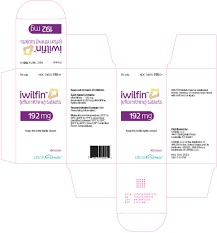
Clinical research data shows that eflornithine exhibits stable anti-tumor effects at different doses and medication regimens. I/II Phase I clinical trials have shown that after a period of oral treatment, the tumor size of most patients shrinks or remains stable, and disease progression is significantly delayed. Some patients can still maintain tumor control after several months of continuous medication, and the changes in hematology and liver and kidney function indicators are relatively slight, showing good safety. At the same time, studies of eflornithine combined with other targeted drugs or radiotherapy regimens have also shown synergistic effects, further improving the therapeutic effect and providing more treatment options for complex cases.
In practical applications, the efficacy of eflornithine is still affected by many factors, including patient age, tumor type, mutation status, and previous treatment history. For patients with IDH mutations detected and diagnosed early, eflornithine can often significantly delay tumor progression and improve quality of life. For patients with advanced disease or multiple recurrences, eflornithine can be used as maintenance treatment or adjuvant treatment to help control disease progression. During the period of using eflornithine, patients should undergo regular monitoring under the guidance of a professional doctor, including imaging examinations, hematological indicators and liver and kidney function assessments, to ensure that the drug's efficacy is maximized, and at the same time, potential side effects are discovered and dealt with in a timely manner.
In summary, eflornithine (IWILFIN) plays a role in IDHIt has shown significant clinical efficacy in the treatment of mutant gliomas and specific solid tumors. Its specific targeting mechanism and good tolerability provide patients with new treatment options. Combining clinical trials and real-world data, eflornithine can effectively control tumor progression while reducing the adverse reactions caused by traditional chemotherapy, providing a safer and more sustainable treatment option for patients with refractory tumors. In the future, with the accumulation of more clinical studies and long-term follow-up data, the status and application scope of eflornithine in personalized tumor treatment is expected to be further expanded.
Reference link:https://www.drugs.com
[ 免责声明 ] 本页面内容来自公开渠道(如FDA官网、Drugs官网、原研药厂官网等),仅供持有医疗专业资质的人员用于医学药学研究参考,不构成任何治疗建议或药品推荐。所涉药品可能未在中国大陆获批上市,不适用于中国境内销售和使用。如需治疗,请咨询正规医疗机构。本站不提供药品销售或代购服务。


