
.jpeg)
FDA approves priority review for perioperative durvalumab/Infinifer for resectable gastric/GEJ cancer
The U.S. Food and Drug Administration (FDA ) has granted priority review to a supplemental biologics license application (sBLA) seeking approval of durvalumab/Durvalumab for the treatment of patients with resectable, early-stage, locally advanced gastric and gastroesophageal junction (GEJ) cancers.
sBLA is supported by data from the phase 3 MATTERHORN trial (NCT04592913), which evaluated the efficacy of the novel adjuvant durvalumab plus FLOT (fluorouracil, leucovorin, oxaliplatin, docetaxel), followed by adjuvant durvalumab plus FLOT and durvalumab monotherapy.
A planned interim analysis presented at the 2025 ASCO Annual Meeting showed that patients treated with a perioperative durvalumab-based regimen had a 29% reduction in risk of disease progression, recurrence, or death compared with FLOT alone (HR, 0.71; 95% CI, 0.58-0.86; P<0.001). Of note, the median event-free survival (EFS) was not reached in the durvalumab group (NR; 95% CI, 40.7-NR), compared with 32.8 months (95% CI, 27.9-NR) in the FLOT group. 2 The estimated 1-year EFS rates are 78.2% and 74.0%, respectively; the estimated 24-month EFS rates are 67.4% and 58.5%, respectively.
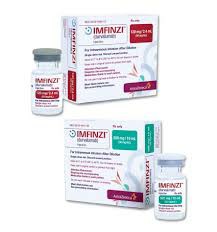
This priority review reinforces the potential of durvalumab's perioperative approach to transform care for patients with early-stage gastric and[GEJ] cancers, who often face disease recurrence or progression even after therapeutic surgery and perioperative chemotherapy. This new treatment is the only immunotherapy-based regimen to show a statistically significant reduction in the risk of progression, relapse, or death in this setting and, if approved, will change the clinical paradigm.
1. MATTERHORN experimental design
This global, randomized, double-blind, placebo-controlled study included patients 18 years and older with histologically documented gastric adenocarcinoma or GEJ adenocarcinoma with resectable disease of stage II or higher who were eligible for curative surgery. In addition, patients should have adequate organ and bone marrow function, have tumor samples available prior to study entry, and have a life expectancy of 24 weeks or longer. Patients were not included in the study if they had peritoneal spread or distant metastasis; adenosquamous cell carcinoma, squamous cell carcinoma, or gastrointestinal stromal tumor; current or previous use of immunosuppressive drugs within 14 days before the first dose of durvalumab; contraindications to any corresponding drug; or a history of allogeneic organ transplantation.
Patients were randomly assigned in a 1:1 ratio to receive 1500 mg of durvalumab (n=474) or placebo (n=434) every 4 weeks, plus 4 cycles of FLOT, with 2 new adjuvants and adjuvant settings per cycle. 4 Subsequently, durvalumab or placebo was taken every 4 weeks for a total of 10 cycles. The primary endpoint is EFS; secondary endpoints include overall survival (OS) and pathological complete response (pCR).
2. Other efficacy and safety data
At 2 years, the OS rate was 75.7% in the durvalumab group and 70.4% in the placebo group (HR, 0.67; 95% CI, 0.50-0.90; P=0.03). Additionally, the pCR rate was 19.2% in the durvalumab group compared with 7.2% in the placebo group (relative risk, 2.69; 95% CI, 1.86-3.90).
Notably, the safety profile of durvalumab plus FLOT was consistent with the previously known safety profile of the corresponding therapies. Specifically, however, the incidence of grade 3/4 adverse reactions was 71.6% in the durvalumab group and 71.2% in the placebo group. Within the respective groups, delayed surgery was reported in 10.1% and 10.8% of patients, and delayed initiation of adjuvant therapy was observed in 2.3% and 4.6% of patients.
References:https://www.onclive.com/view/fda-grants-priority-review-to-perioperative-durvalumab-in-resectable-gastric-gej-cancer
[ 免责声明 ] 本页面内容来自公开渠道(如FDA官网、Drugs官网、原研药厂官网等),仅供持有医疗专业资质的人员用于医学药学研究参考,不构成任何治疗建议或药品推荐。所涉药品可能未在中国大陆获批上市,不适用于中国境内销售和使用。如需治疗,请咨询正规医疗机构。本站不提供药品销售或代购服务。


