
.jpeg)
What are the common side effects of ivonib/Tosuvo that need to be paid attention to?
Ivosidenib/Tosovo (Ivosidenib) is an oral small molecule targeted drug specifically targeting tumor patients with IDH1 gene mutations, includingacute myeloid leukemia (AML) and cholangiocarcinoma. It selectively inhibits the activity of mutant IDH1 enzyme and blocks the production of abnormal metabolite 2-hydroxyglutarate (2-HG) in tumor cells, thereby inhibiting tumor cell proliferation and malignant progression. Because its mechanism of action is different from traditional chemotherapy, the side effects of ivonib are usually mild, but patients still need to pay close attention to potential adverse reactions. Common side effects mainly include gastrointestinal symptoms, such as nausea, vomiting, diarrhea, loss of appetite, and mild fatigue. Most of these symptoms can be alleviated by adjusting the medication time, dietary coordination, and symptomatic treatment.
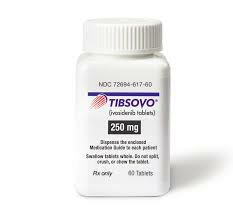
Changes in hematological parameters are also important to pay attention to, including mild to moderate drops in hemoglobin and fluctuations in white blood cell or platelet levels. Although these reactions are usually mild, the risk may be exacerbated in patients treated with other drugs or with underlying hematological abnormalities, so regular hematological monitoring is necessary. Abnormal liver function has also been reported, including mild elevations in transaminase, so liver function evaluation should be performed regularly while taking the drug. A small number of patients may experience abnormal heart rhythm or QT interval prolongation, especially when using other drugs that affect the electrocardiogram at the same time, and they need to be monitored under the guidance of a professional physician.
In addition, overseas guidelines and clinical experience remind that patients may develop metabolic-related syndromes, including electrolyte imbalance and tumor lysis syndrome, during the early treatment phase of ivonib. Although the incidence is low, prevention and early intervention are still needed in high-risk patients. Overall, ivonib is well tolerated and its side effects are controllable. However, it is necessary to follow the guidance of a physician, conduct regular monitoring of hematology, biochemical indicators and ECG, and detect and deal with abnormalities in a timely manner to ensure the continuity and safety of treatment.
Reference: https://www.tibsovo.com/
[ 免责声明 ] 本页面内容来自公开渠道(如FDA官网、Drugs官网、原研药厂官网等),仅供持有医疗专业资质的人员用于医学药学研究参考,不构成任何治疗建议或药品推荐。所涉药品可能未在中国大陆获批上市,不适用于中国境内销售和使用。如需治疗,请咨询正规医疗机构。本站不提供药品销售或代购服务。


