
.jpeg)
Detailed instructions for Mitotane
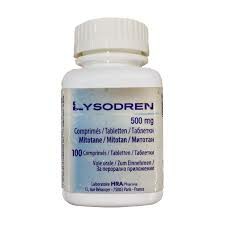
Mitotane, branded as LYSODREN, is a drug used to treat adrenocortical carcinoma (adrenal gland cancer), especially in patients who cannot be treated with surgery. Mitotane is also used in some cases to treat Cushing's syndrome, an endocrine disorder caused by abnormally high levels of cortisol in the body. The use of mitotane must be done under the guidance of a doctor to ensure its safety and effectiveness.
The recommended initial dose of mitotane ranges from 2 to 6 grams, usually taken orally in three or four divided doses. This dose adjustment is to gradually increase the concentration of the drug, usually aiming to reach a dose of 9 to 10 grams per day to ensure that the blood concentration is maintained between 14-20 mg/L, or a level that is tolerated by the patient. Because mitotane is a cytotoxic drug, special care and safety procedures are required during handling and disposal.
In clinical practice, if a patient presents with an adrenal crisis caused by shock or severe trauma, it is recommended to use hydrocortisone injection and closely monitor the patient's condition. In this case, the use of mitotane should be suspended until the patient's condition stabilizes. In addition, for patients who experience central nervous system toxic reactions, mitotane should also be stopped and gradually resumed under the guidance of a doctor after the symptoms subside. The starting dose should be 500-1000 mg lower than before.
The use of mitotane may be associated with some adverse reactions. In clinical trials or post-marketing data, the most common adverse reactions include anorexia, nausea, vomiting and diarrhea, and the incidence of diarrhea is even as high as 80%. In addition, patients may also experience symptoms such as depression, dizziness, and rashes, and may even experience more serious reactions such as neutropenia, growth retardation, or hypothyroidism. In female patients, a decrease in androgen and testosterone levels may also occur, while male patients may experience physiological changes such as a decrease in free testosterone levels.
In terms of drug storage, mitotane is available as500 mg white, round, biconvex tablets. Drugs should be stored at 25°C (77°F), with an allowed temperature range between 15°C and 30°C (59°F-86°F), to ensure the stability and effectiveness of the drug.
In terms of medication recommendations for special populations, mitotane should be used with caution during pregnancy. There have been a few cases reported of premature birth or miscarriage in women who took this drug during pregnancy. Therefore, pregnant women should avoid using mitotane. In addition, mitotane may pass into breast milk and cause potential harm to a nursing infant. Therefore, nursing women are advised to suspend breastfeeding during treatment and if the drug is still detectable after treatment.
The mechanism of action of mitotane is relatively complex. Although the specific biochemical mechanism is not fully understood, studies have shown that it can alter the peripheral metabolism of steroids and directly inhibit the adrenal cortex. Of note, in some cases, mitotane is still effective in reducing 17-hydroxycorticosteroid levels and increasing 6-beta-hydroxycortisol synthesis, even without a significant reduction in corticosteroid concentrations.
Reference materials:https://go.drugbank.com/drugs/DB00648
[ 免责声明 ] 本页面内容来自公开渠道(如FDA官网、Drugs官网、原研药厂官网等),仅供持有医疗专业资质的人员用于医学药学研究参考,不构成任何治疗建议或药品推荐。所涉药品可能未在中国大陆获批上市,不适用于中国境内销售和使用。如需治疗,请咨询正规医疗机构。本站不提供药品销售或代购服务。


