
.jpeg)
What precautions should not be ignored when using ivonib/Tosuvo?
In clinical studies of Ivosidenib (Ivosidenib) treatment, researchers observed a series of potentially serious adverse reactions, including differentiation syndrome of acute myeloid leukemia (AML) and myelodysplastic syndrome (MDS), QTc interval prolongation and Guillain-Barré syndrome. Therefore, you need to pay special attention to these warnings when using this drug and take appropriate measures when related symptoms occur.
First of all, differentiation syndrome is a serious complication related to the rapid proliferation and differentiation of bone marrow cells, which may pose a threat to the patient's life. Patients receiving ivosidenib may exhibit a range of symptoms of differentiation syndrome, such as non-infectious leukocytosis, peripheral edema, fever and dyspnea. These symptoms may occur within 1 to 3 months after initiation of treatment and may or may not be accompanied by leukocytosis. When differentiation syndrome is suspected in a patient, immediate intervention should be performed. It is recommended to inject dexamethasone 10 mg intravenously every 12 hours and perform hemodynamic monitoring until symptoms improve. If concomitant non-infectious leukocytosis is observed, treatment with urea or leukapheresis may need to be considered depending on the clinical situation. Note that the dosage of corticosteroids and urea should be gradually reduced after symptoms are relieved, and corticosteroid treatment should be maintained for at least three days. Premature discontinuation may lead to recurrence of symptoms. If severe signs and symptoms persist for more than 48 hours after initiating corticosteroid therapy, discontinue ivosidenib until the patient's symptoms are controlled.
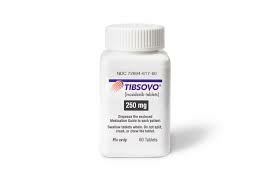
Secondly,QTc interval prolongation is also one of the side effects that need attention during ivonib treatment. Patients may experience QT prolongation and ventricular arrhythmias while receiving treatment. Especially when combined with other drugs known to prolong the QTc interval (such as antiarrhythmic drugs, fluoroquinolones, etc.) or CYP3A4**, the risk of QTc interval prolongation may be increased. Therefore, regular monitoring of the patient's electrocardiogram (ECG) and electrolyte levels is recommended. More frequent ECG monitoring should be performed in patients with congenital long QTc syndrome, congestive heart failure, or electrolyte abnormalities. If the QTc interval increases to greater than 480 msec or less than 500 msec, discontinuation of ivosidenib therapy should be considered; if the QTc interval exceeds 500 msec, the dose of ivosidenib should be immediately interrupted and the dose of ivosidenib should be reduced. In addition, if patients develop symptoms of life-threatening arrhythmias related to the QTc interval, the drug should be permanently discontinued.
Finally, Green-Guillain-Barré Syndrome is also an adverse reaction that needs attention. Patients should be closely monitored for new symptoms of motor and/or sensory neuropathy, such as unilateral or bilateral weakness, sensory changes, or dyspnea while taking ivonib. Once Guillain-Barré syndrome is diagnosed, the use of ivosidenib must be discontinued immediately.
In summary, in the clinical application of ivonib, one must remain highly vigilant about potential adverse reactions such as differentiation syndrome, QTc interval prolongation and Guillain-Barré syndrome, and timely measures should be taken when relevant symptoms are discovered to ensure patient safety. Correct monitoring and intervention measures will help reduce the occurrence of these adverse reactions and improve the safety and effectiveness of treatment.
Reference: https://www.tibsovo.com/
[ 免责声明 ] 本页面内容来自公开渠道(如FDA官网、Drugs官网、原研药厂官网等),仅供持有医疗专业资质的人员用于医学药学研究参考,不构成任何治疗建议或药品推荐。所涉药品可能未在中国大陆获批上市,不适用于中国境内销售和使用。如需治疗,请咨询正规医疗机构。本站不提供药品销售或代购服务。


