
.jpeg)
Analysis of the clinical effects of the combination of capmatinib (Tourad) and osimertinib
1. Drug overview and mechanism of action
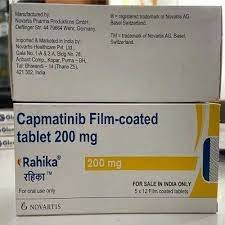
Capmatinib (trade name: Touradida) is an oral small molecule MET tyrosine kinase inhibitor that mainly targets MET Non-small cell lung cancer (NSCLC) with skipping mutations in exon 14 (METex14). By inhibiting the MET signaling pathway, capmatinib can block tumor cell proliferation and migration signals and delay tumor growth. Osimertinib (Osimertinib) is a third-generation EGFRtyrosine kinase inhibitor, specifically targetingEGFRmutation-positive NSCLC, especially T790M drug-resistant mutation. The two targets are different, but both achieve precise anti-tumor effects by inhibiting key driver gene signals.
2. Clinical research background of combined medication
In some NSCLC patients, tumors may coexist with EGFR mutations and METamplification or MET driver mutations. This dual driver mechanism will lead to reduced efficacy or resistance to a single targeted drug. To deal with this problem, clinical studies have proposed a combination strategy of capmatinib and osimertinib to simultaneously inhibit the EGFR and MET signaling pathways, thereby overcoming the resistance mechanism and improving the treatment response rate. There are currently a number of early clinical trials (Phase I/II) to evaluate the safety and preliminary efficacy of this combination regimen.
3. Clinical efficacy and safety evaluation
Combination drug studies have shown that for EGFR mutations and MET amplification of late-stage NSCLC span>Patients, the combination of capmatinib and osimertinib can significantly improve the objective response rate (ORR) and progression-free survival (PFS). The study results show that some patients achieved tumor shrinkage and symptom improvement through combination with capmatinib after failure of single-agent osimertinib treatment. In addition, this combination regimen has also shown certain efficacy in patients with brain metastases, suggesting that it can cross the blood-brain barrier.
In terms of safety, the combination is generally well tolerated, but common side effects include edema, fatigue, rash, mild gastrointestinal discomfort, and mild abnormalities in platelet or liver function indicators. Most adverse reactions can be controlled through dose adjustment or supportive treatment, and irreversible serious toxicity has not yet occurred. In clinical management, blood routine, liver and kidney function, and cardiovascular indicators need to be closely monitored to ensure medication safety.
4. Clinical Application Prospects and Individualized Strategies
The combination therapy of capmatinib and osimertinib provides a new treatment option for EGFRmutated MET driver or drug-resistant NSCLC, especially for patients who have failed or developed resistance to single-target therapy. In future clinical practice, genetic testing will become a key basis for decision-making on combined medication. By accurately identifying EGFR and MET dual-drive patients, individualized treatment plans can be formulated. In addition, researchers are also exploring combination immunotherapy or other targeted drug combinations to further prolong patient survival and improve quality of life. With the accumulation of clinical trial data, this combination regimen is expected to become one of the standardized treatment strategies for advanced NSCLC.
Reference link:https://www.drugs.com
[ 免责声明 ] 本页面内容来自公开渠道(如FDA官网、Drugs官网、原研药厂官网等),仅供持有医疗专业资质的人员用于医学药学研究参考,不构成任何治疗建议或药品推荐。所涉药品可能未在中国大陆获批上市,不适用于中国境内销售和使用。如需治疗,请咨询正规医疗机构。本站不提供药品销售或代购服务。


