
.jpeg)
Tepotinib (Tuodekang) adverse reactions management methods and patient care guidelines
1. Overview of Drugs
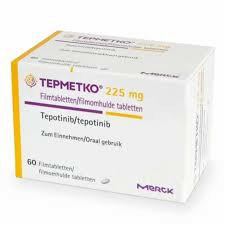
Tepotinib is an oral small molecule MET inhibitor, mainly used to treat patients with MET exon 14 skipping mutation-positive non-small cell lung cancer (NSCLC). By selectively inhibiting the MET receptor tyrosine kinase, tepotinib can block tumor cell proliferation and migration signals, thereby inhibiting tumor growth. As a targeted drug, tepotinib has obvious efficacy, but there are also some manageable adverse reactions during clinical application. Patients need to use it safely under the guidance of the medical team.
2. Common adverse reactions and treatment methods
1. Edema and fluid retention: One of the most common adverse reactions of tepotinib is edema of the lower limbs or body, and some patients may be accompanied by weight gain or dyspnea. Treatment measures include:
Monitor for changes in weight and swelling of the lower extremities.
Mild edema can be intervened by elevating the limb, wearing compression stockings, and limiting salt intake.
For those with severe edema or difficulty breathing, the dosage should be adjusted or the drug temporarily discontinued under the guidance of a doctor, and diuretics can be used as auxiliary treatment.
2.Gastrointestinal reactions: such as nausea, vomiting, diarrhea and loss of appetite, and some patients may experience weight loss. Response methods include:
Eat in small portions and avoid greasy or spicy foods.
Use antiemetics or antidiarrheal drugs if necessary, and replenish fluids and electrolytes.
Severe or persistent symptoms should seek medical attention promptly and adjust the drug dosage if necessary.
3.Abnormal liver function: Some patients may experience elevated transaminases or elevated bilirubin during treatment. Management methods include:
Monitor liver function indicators before treatment and regularly during medication.
When mild abnormalities occur, observation can be made and the dose increase can be suspended; if the increase is significant or accompanied by symptoms, the drug should be discontinued and liver-protective measures should be taken.
4.Skin reactions and oral problems: Some patients may develop rash, dryness or oral inflammation. Treatment measures include:
Use mild skin care products and moisturizers and avoid direct sunlight.
Oral problems can be relieved with mouthwash, oral care, and oral protection medications.
Severe rashes or ulcers should seek medical attention immediately.
3. Patient Care Guide
1.Regular monitoring and follow-up: During treatment, patients should regularly review blood routine, liver and kidney function, weight and edema, and record the time, degree and duration of adverse reactions to facilitate doctors to adjust treatment plans.
2.Lifestyle and diet management: Maintaining a balanced diet, moderate exercise and adequate rest can help reduce drug side effects. For patients with edema, limit salt intake and elevate lower limbs; for patients with gastrointestinal discomfort, eat small amounts and frequently and avoid irritating foods.
3.Psychological support and patient education: Adverse drug reactions may affect patients' quality of life. Psychological counseling, health education and family support should be used to improve patient compliance and treatment confidence.
4.Safe medication management: Follow the doctor’s instructions to take medication on time and do not increase or decrease the dosage on your own. If serious side effects occur, such as difficulty breathing, high fever, or significant abnormalities in liver function, the drug should be stopped immediately and seek medical attention.
Tepotinib has shown good efficacy in the treatment of METExon14 skipping mutation-positive non-small cell lung cancer, but adverse reactions are common, including edema, gastrointestinal symptoms, abnormal liver function, and skin and oral problems. Through individualized dose adjustment, regular monitoring, lifestyle intervention and psychological support, patients can minimize the impact of side effects and achieve safe and effective treatment. The multidisciplinary management of the medical team and the active cooperation of the patients themselves are important prerequisites for ensuring the safe use of tepotinib.
Reference link:https://www.drugs.com
[ 免责声明 ] 本页面内容来自公开渠道(如FDA官网、Drugs官网、原研药厂官网等),仅供持有医疗专业资质的人员用于医学药学研究参考,不构成任何治疗建议或药品推荐。所涉药品可能未在中国大陆获批上市,不适用于中国境内销售和使用。如需治疗,请咨询正规医疗机构。本站不提供药品销售或代购服务。


