
.jpeg)
Detailed explanation of the indications and contraindications for Regorafenib (Belvango)
1. Overview of Drugs
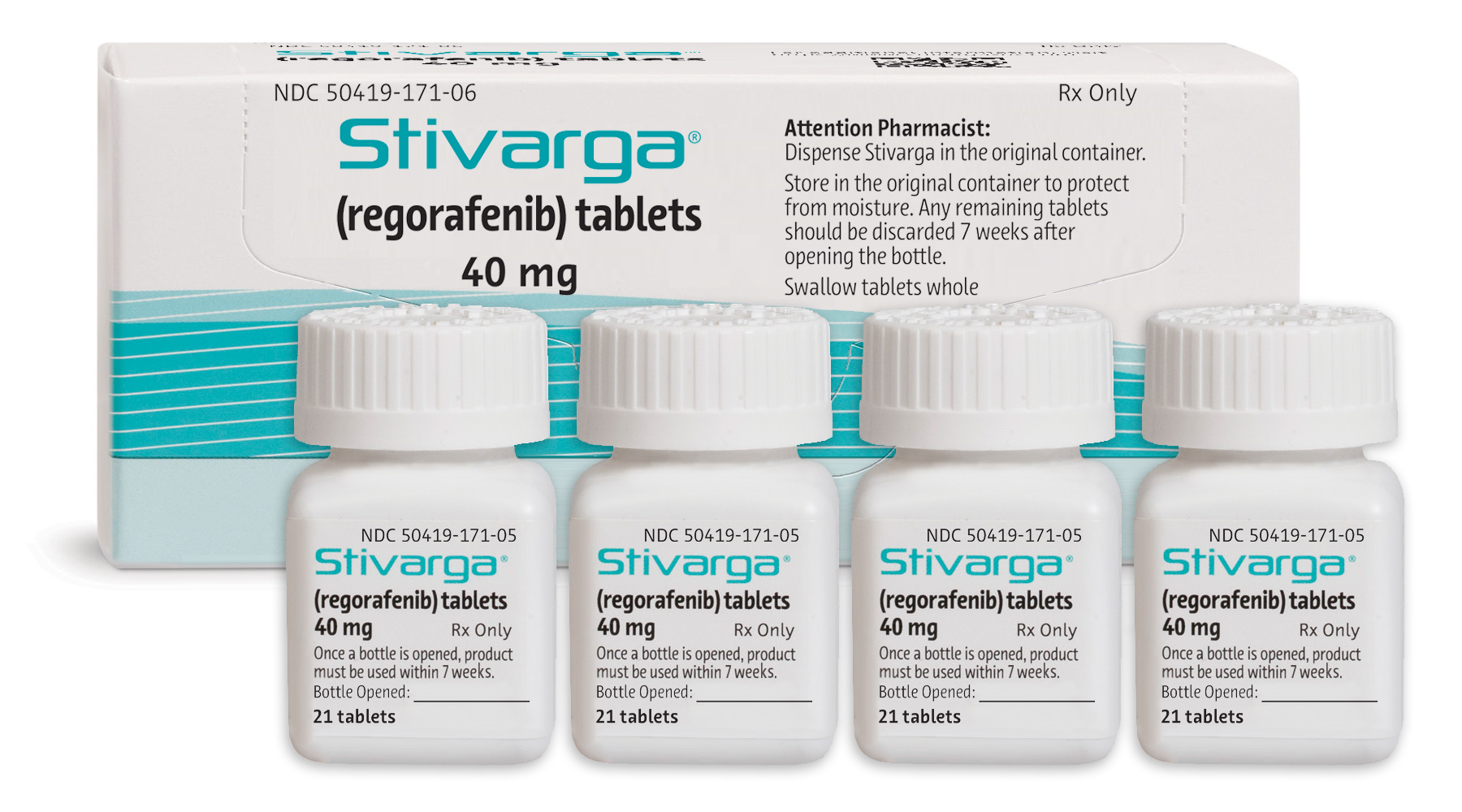
Regorafenib is an oral small molecule multi-target tyrosine kinase inhibitor (TKI) that achieves anti-tumor effects by inhibiting angiogenesis, tumor proliferation and tumor microenvironment-related signaling pathways. Its main targets include VEGFR, PDGFR, KIT, RET, RAF and FGFR, etc., can simultaneously interfere with tumor angiogenesis, cell proliferation and signal transduction. Regorafenib has shown efficacy in the treatment of a variety of malignant tumors, especially for patients who are ineffective or resistant to previous standard treatments.
2. Main indications
1.Advanced colorectal cancer (mCRC): Regorafenib is approved for patients with advanced colorectal cancer who have progressed or relapsed after standard chemotherapy regimens such as fluorouracil, oxaliplatin and irinotecan. Clinical studies have shown that regorafenib can prolong progression-free survival (PFS) and overall survival (OS), making it an important option for patients who have failed previous multiple lines of treatment.
2.Gastrointestinal stromal tumor (GIST): for locally advanced or metastatic patients who have failed or are intolerant to imatinib and sunitinibGIS For patients with T, regorafenib can be used as a subsequent treatment to inhibit tumor progression driven by KIT or PDGFRA mutations.
3.Hepatocellular carcinoma (HCC): For patients with advanced hepatocellular carcinoma who have failed or are intolerant to previous sorafenib treatment, regorafenib can delay disease progression and improve survival outcomes in some patients.
4.Other potential indications: Clinical trials are also exploring the efficacy of regorafenib on certain lung cancers, thyroid cancers and solid tumors, showing extensive anti-tumor potential, but it has not yet become a formally approved indication.
3. People with contraindications to medication
1.Patients with severe liver dysfunction: Regorafenib is mainly metabolized by the liver,Patients with significantly elevated ALT/AST or severe liver dysfunction are at high risk of taking the drug, which may aggravate hepatotoxicity. Use with caution or avoid use in such patients.
2.Patients with severe cardiovascular disease: including patients with unstable angina, recent myocardial infarction, severe heart failure, or prolonged QT interval. Regorafenib may cause hypertension, myocardial damage or abnormal heart rhythm, so such patients are contraindicated or require strict monitoring.
3.Patients with active bleeding or prone to bleeding: Since regorafenib inhibits the angiogenesis signaling pathway and increases the risk of bleeding, especially patients with gastrointestinal bleeding, cerebral hemorrhage or thrombocytopenia, its use should be avoided or the risk should be strictly assessed.
4.Pregnant and lactating women: Regorafenib has shown teratogenic and lethal effects in animal experiments, and is contraindicated in pregnant and lactating women. Women of childbearing age should take effective contraceptive measures.
5. Patients with severe infections or immunocompromised patients: Taking regorafenib may increase the risk of infection, so patients with acute or severe infections should delay medication until the infection is controlled.
4. Safety management and clinical suggestions
1. Monitor blood pressure and cardiac function: Common adverse reactions of regorafenib include hypertension, heart failure and abnormal heart rhythm. It is recommended to evaluate the cardiovascular status before taking the drug, and regularly monitor blood pressure, electrocardiogram and necessary cardiac ultrasound during the drug.
2. Follow-up of laboratory indicators: During treatment, blood routine, liver and kidney function and electrolytes need to be monitored regularly to detect adverse reactions such as abnormal liver function, anemia or thrombocytopenia in a timely manner.
3.Dose adjustment strategy: If Grade 2 or above toxicity occurs, dose interruption, reduction or supportive treatment should be carried out according to the instructions to ensure a balance between efficacy and safety.
4.Patient education: Inform patients of possible adverse reactions such as hypertension, bleeding, rash, fatigue, etc., and instruct them to report abnormal symptoms in a timely manner to avoid adjusting dosage or discontinuing medication on their own.
5. Summary
Regofenib has shown important clinical value in a variety of malignant tumors such as advanced colorectal cancer, GIST and hepatocellular carcinoma, and is especially suitable for patients who have failed previous standard treatments. However, due to its multi-target effects, it may cause hypertension, abnormal liver function, bleeding and cardiovascular events. The indications and contraindications need to be strictly assessed before use, and blood pressure, cardiac function and laboratory indicators need to be closely monitored during treatment. Through individualized dose adjustment, strict monitoring and patient education, regorafenib can minimize the risk of adverse reactions while ensuring efficacy, achieving safe and effective anti-tumor treatment.
Reference link:https://www.drugs.com
[ 免责声明 ] 本页面内容来自公开渠道(如FDA官网、Drugs官网、原研药厂官网等),仅供持有医疗专业资质的人员用于医学药学研究参考,不构成任何治疗建议或药品推荐。所涉药品可能未在中国大陆获批上市,不适用于中国境内销售和使用。如需治疗,请咨询正规医疗机构。本站不提供药品销售或代购服务。


