
.jpeg)
Introduction to the main functions and possible side effects of linezolid/Swo
Linezolid (Linezolid) belongs to the oxazolidinone class of antibacterial drugs. This class of drugs has a unique position in the treatment of anti-infections (bacterial infections), and its development background is to combat the problem of traditional antibiotic resistance. Unlike penicillins, cephalosporins or quinolones antibacterial drugs, linezolid has a novel mechanism of action and can effectively inhibit the growth of drug-resistant Gram-positive bacteria, so it is gradually used globally.
The main mechanism of action of linezolid is to bind to the 50S subunit of bacterial ribosomes to block the initial process of bacterial protein synthesis, thereby preventing bacteria from proliferating. This unique mechanism means that linezolid can still maintain high sensitivity in the face of methicillin-resistant Staphylococcus aureus (MRSA), drug-resistant enterococci (such as VRE), and certain Gram-positive pathogens that are not sensitive to other drugs. For some complicated pneumonia, skin and soft tissue infections, and hospital-acquired infections, linezolid is often included in the first- or second-line treatment options.
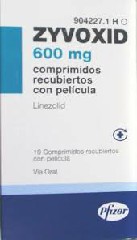
In clinical application, linezolid is available in oral and intravenous dosage forms, and its oral bioavailability is almost 100%. This allows patients to smoothly transition to oral treatment after receiving intravenous administration in the early stages of hospitalization, ensuring the continuity of treatment. This feature has also been repeatedly emphasized in international guidelines because it not only improves patient compliance, but also effectively shortens hospitalization time and reduces medical burden. Especially in the treatment of drug-resistant bacterial infections, how to reduce resource consumption while ensuring efficacy is a topic of great concern in the global public health field, and linezolid provides an ideal solution.
However, while linezolid exerts a significant antibacterial effect, its potential side effects cannot be ignored. One of the most common adverse reactions is hematological problems, including thrombocytopenia, anemia, and leukopenia. Usually these side effects appear after a few weeks of using the drug, so for patients who need to use it for a long time, doctors often recommend regular blood tests. If not monitored, it may result in serious bleeding or an increased risk of infection. In addition to hematologic effects, linezolid may cause lactic acidosis, which is associated with its inhibition of mitochondrial function. If a patient develops unexplained fatigue, dyspnea, or symptoms of metabolic acidosis while taking the drug, he or she needs immediate attention. Some overseas academic reports also suggest that long-term use of linezolid may be related to optic neuropathy, manifested by blurred vision or decreased vision. Once similar symptoms occur, timely medical treatment is required.
In addition, linezolid’s interactions with other drugs are also worth noting. Because it is a weak monoamine oxidase inhibitor (MAOI), may increase the risk of hypertensive crisis or serotonin syndrome when used concomitantly with certain antidepressants or tyramine-rich foods. These drug interactions are repeatedly emphasized in overseas drug warnings, so when doctors prescribe linezolid, they usually ask the patient in detail about his medication history and give dietary guidance. In domestic instructions, there are similar warnings to remind patients to avoid eating large amounts of fermented foods, cheese or sauce products to reduce the risk.
Reference materials:https://go.drugbank.com/drugs/DB00601
[ 免责声明 ] 本页面内容来自公开渠道(如FDA官网、Drugs官网、原研药厂官网等),仅供持有医疗专业资质的人员用于医学药学研究参考,不构成任何治疗建议或药品推荐。所涉药品可能未在中国大陆获批上市,不适用于中国境内销售和使用。如需治疗,请咨询正规医疗机构。本站不提供药品销售或代购服务。


