
.jpeg)
Whether larotrectinib (Vitaika) is suitable for patients with glioma and its clinical effect evaluation
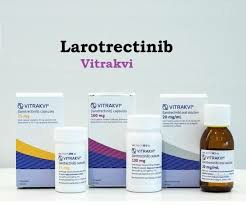
Larotrectinib (trade name Vitrakvi) is a highly selective and well-targeted TRK inhibitor that mainly targets NTRK gene fusion-positive solid tumors. Different from the traditional "dividing by disease type", the approval model of larotrectinib is "based on genotyping" - that is, regardless of the primary site of the tumor, as long as there is an NTRK fusion mutation, everyone may benefit from the drug. This "tissue-independent" medication model is a major breakthrough in the field of tumor treatment, providing new treatment hope for some patients with rare mutations.
Gliomas are a type of malignant tumor originating from the central nervous system with poor prognosis, especially high-grade glioblastoma, and limited treatment options. Molecular testing in recent years has found that some glioma patients have NTRK gene fusion. Although the proportion is not high (about 1%), for these patients, traditional surgery, radiotherapy and chemotherapy often have limited efficacy, and larotrectinib can be a targeted treatment option. Therefore, larotrectinib is not suitable for all glioma patients, but is mainly used for patients with confirmed NTRK fusion-positive gliomas.
In multiple clinical trials covering different solid tumors, larotrectinib has shown a high objective response rate (ORRover 70%) in NTRK fusion-positive patients, with longer duration of partial response. Research on central nervous system tumors has reported that some patients with NTRK-positive gliomas have seen significant reductions in tumor size, symptom relief, and even long-term stable control after treatment with larotrectinib. Compared with traditional chemotherapy, the adverse reactions of larotrectinib are generally mild, mostly fatigue, dizziness or mild gastrointestinal discomfort, and are better controllable, which provides a relatively safe treatment option for glioma patients.
For glioma patients, the key to whether they are suitable for larotrectinib is the presence of NTRK gene fusion mutations. Therefore, after patients are diagnosed or relapsed, they should undergo molecular testing to determine whether they are eligible for medication. If the test result is positive, larotrectinib can be considered under the guidance of a doctor to obtain a higher possibility of disease control. In the future, with the popularization of genetic testing and the accumulation of more clinical research data, larotrectinib is expected to play greater value in central nervous system tumors such as glioma, providing further support for the development of precision medicine.
Reference link:https://www.drugs.com
[ 免责声明 ] 本页面内容来自公开渠道(如FDA官网、Drugs官网、原研药厂官网等),仅供持有医疗专业资质的人员用于医学药学研究参考,不构成任何治疗建议或药品推荐。所涉药品可能未在中国大陆获批上市,不适用于中国境内销售和使用。如需治疗,请咨询正规医疗机构。本站不提供药品销售或代购服务。


