
.jpeg)
How long does it usually take to take Selinexol (Silvio) to achieve obvious therapeutic effects?
Selinexor (brand name The drug is mainly used for patients with relapsed or refractory multiple myeloma, diffuse large B cell lymphoma and other hematological malignancies. Especially among patients who have failed other multiple lines of treatment, selinesol is often used as a new treatment option.
Based on experience from clinical trials and real-world applications, selinesol is not an “immediately effective” drug. Most patients can observe significant effects, including improvement in hematological indicators, reduction in tumor burden, and relief of clinical symptoms, after taking it for about 4–8 weeks. For example, among patients with multiple myeloma, some people can see initial effects in the first course of treatment (about 4 weeks), while more patients need to go through 2–< /span>3 courses of treatment (approximately 8–12 weeks) will achieve significant disease remission. Therefore, the onset of action varies between individuals, disease status, and previous treatment history.
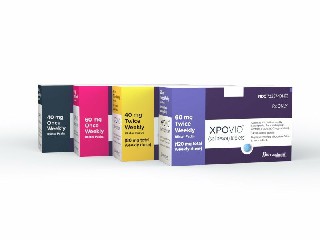
The time it takes for Seleniso to take effect is affected by many factors. First of all, the patient's underlying disease type and tumor burden will directly determine the speed of onset of effect; patients with faster tumor cell proliferation and stronger drug resistance often take longer to show curative effect. Secondly, different combination medication regimens will also bring differences. For example, when selinesol is used in combination with dexamethasone, bortezomib and other drugs, the onset of action may be faster and the remission rate may be higher. In addition, the patient's physical condition, drug resistance gene mutations, and compliance will also affect the actual effect of the drug.
For patients who are taking selinesol, do not stop taking it on your own because no obvious effect is seen in the short term. At least 2–3 treatment cycles should be completed as directed by the doctor, and the efficacy should be comprehensively judged based on hematological examination, imaging evaluation and clinical symptoms. During the treatment process, patients need to be followed up regularly to monitor blood images, liver and kidney function, and adverse reactions so that doctors can adjust the dosage or combination plan in a timely manner. Generally speaking, most patients can obtain a significant therapeutic response within about 6–12 weeks. Adhering to regular medication and scientific management is the key to ensuring the curative effect.
Reference link:https://www.drugs.com
[ 免责声明 ] 本页面内容来自公开渠道(如FDA官网、Drugs官网、原研药厂官网等),仅供持有医疗专业资质的人员用于医学药学研究参考,不构成任何治疗建议或药品推荐。所涉药品可能未在中国大陆获批上市,不适用于中国境内销售和使用。如需治疗,请咨询正规医疗机构。本站不提供药品销售或代购服务。


