
.jpeg)
Advantages and Disadvantages of Tepotinib (Tuodekang) and Reference for Patient Use Evaluation
Tepotinib is an oral small molecule targeted drug, mainly used to treat mesenchymal growth factor receptor (MET) exon 14 skipping mutation (MET exon 14 skipping mutation)-positive advanced or metastatic non-small cell lung cancer (NSCLC) patients. Its mechanism of action is to selectively inhibit MET receptor kinase activity, thereby blocking abnormal signaling pathways for tumor cell proliferation and survival. As a precision treatment drug for MET driven lung cancer, tepotinib provides a new treatment option for this specific mutation group in the clinic.
The main advantage of Tepotinib is its strong targeting specificity and clear efficacy in patients with MET exon 14 skipping mutations. Clinical studies have shown that the overall response rate (ORR) and progression-free survival (PFS) of patients taking tepotinib are significantly better than traditional chemotherapy regimens. In addition, the oral administration method is convenient and patients can take the medicine at home, reducing the frequency of hospital visits and improving the quality of life. The drug is relatively well tolerated, and common side effects such as edema, mild nausea, diarrhea, or hematological abnormalities can usually be controlled with dose adjustment or supportive care.
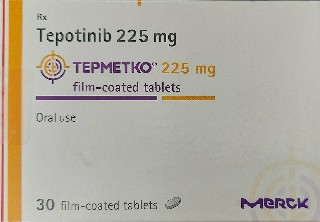
However, tepotinib also has certain limitations. Its efficacy is mainly limited to patients with MET exon 14 jumping mutations, and its effect on other types of lung cancer or patients with undetected mutations is limited. In addition, some patients may develop drug resistance or disease progression during long-term use, and the cost of drugs is higher, which may also increase the economic burden. In terms of side effects, although most are mild to moderate, severe edema or liver function abnormalities still require attention, and some patients may need to temporarily discontinue the drug or adjust the dose.
In terms of patient evaluation, a comprehensive evaluation should be conducted based on genetic testing results, liver and kidney function status, and previous treatment history. ForMET exon 14For patients with positive skipping mutations and limited efficacy of previous chemotherapy or other targeted drugs, tepotinib can be used as a priority. During the medication period, hematological indicators, liver function and imaging examinations should be monitored regularly to detect adverse reactions and changes in efficacy in a timely manner. Overall, tepotinib has obvious advantages in precision targeted therapy, but it needs to be combined with individualized evaluation, economic feasibility and safety monitoring to achieve the best therapeutic effect.
Reference link:https://www.drugs.com
[ 免责声明 ] 本页面内容来自公开渠道(如FDA官网、Drugs官网、原研药厂官网等),仅供持有医疗专业资质的人员用于医学药学研究参考,不构成任何治疗建议或药品推荐。所涉药品可能未在中国大陆获批上市,不适用于中国境内销售和使用。如需治疗,请咨询正规医疗机构。本站不提供药品销售或代购服务。


