
.jpeg)
Comparison of the efficacy of regorafenib (Belvango) and fruquintinib and selection of applicable patients
Regorafenib and fruquintinib (Fruquintinib) are oral small molecule tyrosine kinase inhibitors (TKI), mainly used for targeted therapy of advanced tumors. Regorafenib is a multi-target inhibitor that can act on VEGFR, PDGFR, FGFR and other signaling pathways at the same time. It has inhibitory effects on tumor angiogenesis, tumor growth and metastasis. Fruquintinib mainly selectively inhibits vascular endothelial growth factor receptors (VEGFR) 1, 2, 3, and its inhibitory effect on tumor angiogenesis is more specific. The difference in mechanism between the two determines their applicable groups and efficacy in clinical application.
In terms of clinical efficacy, regorafenib has shown certain anti-tumor activity in a number of advanced colorectal cancers, hepatocellular carcinomas and gastrointestinal stromal tumors (GIST). Its efficacy is mainly reflected in prolonging progression-free survival (PFS) and overall survival (OS), especially in complex tumor environments driven by multiple targets. Fruquintinib also shows good efficacy in patients with advanced colorectal cancer, especially in patients who have undergone conventional chemotherapy. Its monotherapy can significantly delay disease progression. At the same time, because of its more precise targeting, some patients are better tolerated than regorafenib.
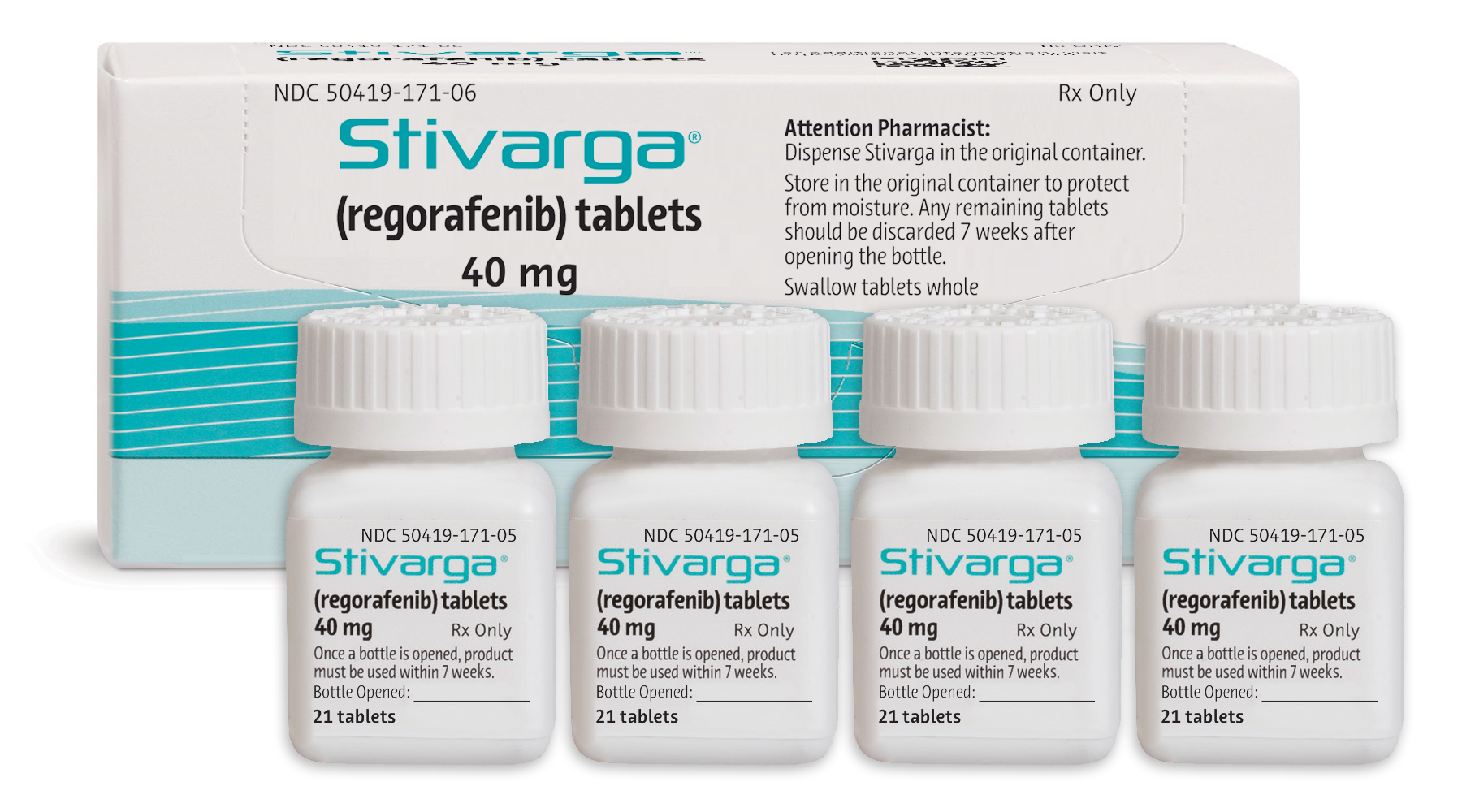
In terms of patient selection, regorafenib is suitable for patients with a variety of advanced tumor types who have undergone standard treatments but still progress. It is especially suitable for complex cases with active tumor angiogenesis and multiple signaling pathways. Fruquintinib is more suitable for patients with VEGFR-driven tumors such as advanced colorectal cancer and liver cancer, especially in patients with recurrence or drug resistance after first-line or second-line treatment. In patient selection, individualized evaluation needs to be conducted based on genetic testing, tumor type, and previous treatment options.
Overall, regorafenib and fruquintinib each have their own advantages. Regorafenib has a wide range of effects due to its multiple targets and is highly adaptable to complex tumor environments, but has relatively diverse side effects; fruquintinib has stronger targeting and better tolerance, but has a single mechanism of action and slightly limited indications. Clinically, drugs should be selected based on a comprehensive evaluation based on the patient's tumor type, previous treatment experience, tolerance and economic conditions to achieve a personalized treatment plan that maximizes efficacy and is safe and controllable.
Reference link:https://www.drugs.com
[ 免责声明 ] 本页面内容来自公开渠道(如FDA官网、Drugs官网、原研药厂官网等),仅供持有医疗专业资质的人员用于医学药学研究参考,不构成任何治疗建议或药品推荐。所涉药品可能未在中国大陆获批上市,不适用于中国境内销售和使用。如需治疗,请咨询正规医疗机构。本站不提供药品销售或代购服务。


