
.jpeg)
Drug comparison of Riboxiclib/Carilon and Palbocicillin
In the field of targeted therapy for breast cancer in recent years, the emergence of CDK4/6 inhibitors has undoubtedly provided new options for patients with advanced hormone receptor-positive and HER2-negative tumors. Ribociclib/Calilon(Ribociclib) and palbociclib (palbociclib, commonly known as palbociclib in China) are the two representative drugs that have attracted the most attention. Although they all belong to the same class of drugs and are highly similar in their mechanisms of action, there are still some differences in drug properties, medication methods, and international guideline recommendations, which are also the focus that clinicians and patients often want to understand.
From a mechanism perspective, both inhibit cell cycle-dependent kinasesCDK4 and CDK6, preventing tumor cells from entering the S phase from the G1 phase, thereby inhibiting cell proliferation. This targeting mechanism is different from traditional chemotherapy and has higher selectivity and more controllable tolerance. Although the general mechanism is the same, reboxiclib has been shown to be more selective for CDK4 in some studies, while palbociclib is outstanding in inhibiting CDK6. This difference makes their efficacy and side effects slightly different in certain patient subgroups.
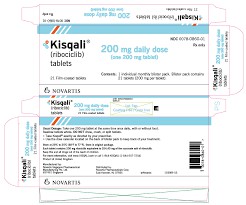
In terms of administration method, both are oral tablets, but reboxiclib is usually combined with aromatase inhibitors, and in some cases it can also be combined with endocrine drugs such as fulvestrant, while palbociclib has a wider range of indications and combination methods. It can be combined with aromatase inhibitors and is often used in combination regimens with fulvestrant. In terms of treatment schedule, both drugs are administered cyclically, that is, taking the drug for three weeks and stopping the drug for one week, so that the patient's bone marrow function can recover to a certain extent. However, the recommended daily dose of reboxiclib is slightly different from that of palbociclib, which requires doctors to make flexible adjustments based on patient tolerance and hematological test results in clinical practice.
In terms of side effects, both may cause neutropenia, which is a typical performance of CDK4/6 inhibitor drugs However, clinical experience shows that palbociclib is more likely to cause neutropenia, while ribociclib, in addition to hematological adverse reactions, also requires attention to liver function and electrocardiogram QT interval prolongation. Therefore, liver function indicators and cardiac electrical activity need to be regularly monitored during use. For patients, the choice of which drug to choose does not solely rely on efficacy, but also considers their own health status, accompanying diseases, and the convenience of long-term follow-up monitoring.
According to the recommendations of international guidelines, both are included as the preferred options for first-line or second-line treatment of breast cancer. However, with the approval of regulatory agencies in different regions and the medical insurance access process, their accessibility and clinical utilization rates will vary. For example, some countries prefer to recommend ribociclib first, because in international multi-center studies, it has shown certain advantages in progression-free survival and partial overall survival data, while palbociclib, as the earliest similar drug on the market, has accumulated more clinical application experience and still maintains a high prescription rate in many countries.
From the patient's perspective, Riboxiclib and Palbociclib are not a simple substitution relationship, but a choice made by clinicians based on comprehensive factors such as illness, physical condition, tolerance, and monitoring needs. As the concept of targeted therapy continues to deepen, more personalized matching may be carried out in the future based on the patient's molecular characteristics and genetic testing results, making the application of CDK4/6 inhibitors more precise.
Reference materials:https://us.kisqali.com/
[ 免责声明 ] 本页面内容来自公开渠道(如FDA官网、Drugs官网、原研药厂官网等),仅供持有医疗专业资质的人员用于医学药学研究参考,不构成任何治疗建议或药品推荐。所涉药品可能未在中国大陆获批上市,不适用于中国境内销售和使用。如需治疗,请咨询正规医疗机构。本站不提供药品销售或代购服务。


