
.jpeg)
Analysis of indications for Cemiplimab in the treatment of lung squamous cell carcinoma
Cemiplimab (Cemiplimab), as a PD-1 inhibitor, has shown high clinical value in the field of tumor immunotherapy. Its research in the treatment of lung cancer has attracted particular attention, especially for lung squamous cell carcinoma patients innon-small cell lung cancer (NSCLC). Lung squamous cell carcinoma is a pathological type of non-small cell lung cancer. Traditional treatments are often based on chemotherapy or radiotherapy, but the overall prognosis is poor. Therefore, the application of new immunotherapy drugs has brought new hope to patients.
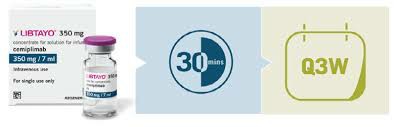
According to overseas research progress, cimepilimab is approved for the treatment of patients with locally advanced or metastatic non-small cell lung cancer, especially those with high PD-L1 expression. In such patients, immunotherapy can restore the anti-tumor activity of T cells by blocking the interaction between PD-1 and PD-L1, thereby inhibiting the growth of cancer cells. For patients with lung squamous cell carcinoma, if tumor tissue testing shows high PD-L1 expression levels, cimepilimab is expected to become a first-line treatment option.
It is worth noting that the use of this drug usually requires a comprehensive evaluation combined with genetic testing, immunohistochemistry, and the patient's overall condition. Compared with chemotherapy, immunotherapy has a different mechanism of action. It does not directly kill cancer cells, but achieves long-term disease control by activating the body's immune system. This also means that some patients may obtain longer-lasting effects.
During the treatment process, doctors will focus on the patient's immune-related side effects, such as rash, endocrine abnormalities or pneumonia, and ensure the safety of treatment through regular monitoring. Overall, the application of cimepilimab in the field of lung squamous cell carcinoma has expanded treatment options and provided more opportunities for patient groups limited by traditional therapies. As more research data accumulates, its potential in different populations and different stages of treatment remains to be further explored.
Reference materials:https://www.libtayohcp.com/
[ 免责声明 ] 本页面内容来自公开渠道(如FDA官网、Drugs官网、原研药厂官网等),仅供持有医疗专业资质的人员用于医学药学研究参考,不构成任何治疗建议或药品推荐。所涉药品可能未在中国大陆获批上市,不适用于中国境内销售和使用。如需治疗,请咨询正规医疗机构。本站不提供药品销售或代购服务。


