
.jpeg)
Clinical application value of capmatinib (Tourad) in targeted therapy of lung cancer
Capmatinib (Capmatinib) is an oral selective METtyrosine kinase inhibitor, mainly used to treat MET exons pan>14skipping mutation (METex14)-positive non-small cell lung cancer (NSCLC) patients. Its targeting mechanism blocks tumor cell proliferation and survival signals by inhibiting the MET signaling pathway, thereby effectively inhibiting tumor growth. Clinical studies show that capmatinib can significantly improve objective response in patients with advanced NSCLC with METex14 mutations rate (ORR) and progression-free survival (PFS), providing a new targeted treatment option for patients with limited efficacy of traditional chemotherapy.
The clinical application value of capmatinib is also reflected in its rapid effects and improved quality of life. Most patients who receive treatment can observe tumor shrinkage and symptom relief, such as reduced dyspnea and improved physical strength, within a few weeks. This rapid therapeutic effect not only improves the patient's physical condition, but also helps improve independence and quality of life in daily life. Compared with traditional chemotherapy, capmatinib is administered orally and is easy to operate, avoiding the inconvenience of long-term intravenous infusion and related adverse reactions.
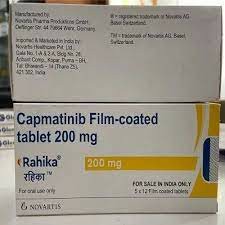
In addition, the role of capmatinib in relapsed or drug-resistant patients is also of great significance. For patients with MET mutations whose disease has progressed after receiving chemotherapy or other targeted therapies, capmatinib can still achieve effective control. Clinical data shows that even patients who are elderly or have underlying diseases can achieve therapeutic effects within a tolerable range. Combined with precise molecular testing, capmatinib can help doctors develop individualized treatment plans for each patient and improve the success rate of treatment.
However, potential adverse reactions and safety management still need to be paid attention to during the use of capmatinib. Common adverse reactions include edema, nausea, vomiting, fatigue and abnormalities in hematological indicators, and some patients may experience a mild increase in liver function. To ensure the safety of treatment, patients should regularly monitor blood routine, liver function and tumor imaging indicators during medication, and pay attention to drug interactions, such as avoiding simultaneous use with potent CYP3A inhibitors or inducers. Taken together, capmatinib has significant clinical value in the targeted treatment of MET mutation-positive NSCLC and is an important part of precision therapy.
Reference link:https://www.drugs.com
[ 免责声明 ] 本页面内容来自公开渠道(如FDA官网、Drugs官网、原研药厂官网等),仅供持有医疗专业资质的人员用于医学药学研究参考,不构成任何治疗建议或药品推荐。所涉药品可能未在中国大陆获批上市,不适用于中国境内销售和使用。如需治疗,请咨询正规医疗机构。本站不提供药品销售或代购服务。


