
.jpeg)
Interpretation of the Chinese instructions and key medication information for Sotolaxib (AMG 510)
Sotorasib (trade name AMG 510) is an oral small molecule targeted drug, a KRAS G12C inhibitor, specifically targeted at patients with non-small cell lung cancer (NSCLC) carrying KRAS G12C mutations. KRAS gene mutation is a common type of driver gene mutation in lung cancer and other solid tumors, and G12C mutation is a more special and difficult to target subtype. Sotorasiib covalently binds to the cysteine u200bu200bresidues of the KRAS G12C protein and locks it in an inactive state, thereby blocking downstream signaling pathways and inhibiting tumor cell proliferation and survival. The research and development of this drug breaks through the long-term "undruggable" KRAS mutation problem and provides a new treatment option for patients with KRAS G12C-positive advanced lung cancer.
According to existing clinical studies, sotorasiib is mainly used for patients with advanced KRAS G12CpositiveNSCLC who have progressed after previous systemic treatment (such as chemotherapy or PD-1/PD-L1immunotherapy). Its standard oral dose is 960 mg once a day, which can be taken with food or on an empty stomach, making it easier for patients to maintain long-term treatment at home. Clinical trials have shown that sotoracib can significantly improve objective response rate (ORR) and progression-free survival (PFS), and some patients even achieve long-term disease control. The onset of treatment effects is usually observable within a few weeks, but specific effects vary based on individual differences, mutation load, and previous treatment history.
The safety profile of sotorasibu is generally controllable, but there are still some common adverse reactions. Clinical data shows that the most common adverse reactions include diarrhea, fatigue, musculoskeletal pain, abnormal liver function, and mild to moderate nausea. Most of them are controllable and mild to moderate reactions. A small number of patients may develop severe liver function damage or interstitial lung disease, so liver function monitoring and imaging review should be performed regularly during treatment. For patients with abnormal cardiorenal function or other chronic diseases, medication risks should be assessed under the guidance of a doctor, and dose adjustments or necessary interventions should be made based on the patient's tolerance.
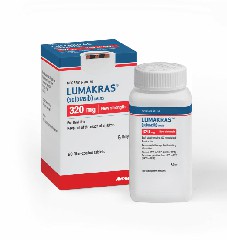
There are some key considerations when it comes to medication management with sotoraxib. First of all, patients should strictly follow the physician's instructions during the medication period and should not increase or decrease the dosage or stop the medication at will to ensure the sustainability of the therapeutic effect. Secondly, since sotoracib is mainly metabolized by the liver (CYP3A pathway), it is different from the potent CYP3AConcomitant use of inhibitors or inducers may affect plasma concentrations, thereby affecting efficacy or increasing the risk of adverse reactions. Therefore, you should inform your doctor in detail about all prescription drugs, over-the-counter drugs, and health supplements you are taking before taking them. Thirdly, pregnant women and lactating patients should use this drug with caution and weigh the benefits of treatment against potential risks if necessary.
In addition, sotorasiib's treatment strategy emphasizes precise medication and molecular testing. Patients must pass genetic testing to confirm that the KRAS G12C mutation is positive before use, to ensure the accuracy of drug targeting. Clinically, imaging follow-up and biomarker monitoring of efficacy can also be combined to provide individualized management for patients taking long-term medication. For patients whose disease progresses or develops drug resistance, under the guidance of professional doctors, combination with other targeted drugs or immunotherapy options can be considered to extend the disease control period.
In general, sotorasiib (AMG 510), as the first batch of KRAS G12C inhibitors, has opened up a new field of targeted therapy in the treatment of advanced non-small cell lung cancer. It is convenient to take orally, has precise targeting and has remarkable efficacy, but it is still necessary to pay attention to potential adverse reactions and drug interactions. Through standardized medication, individualized management and regular monitoring, sotorasiib can control tumor progression while improving patients' quality of life, providing a new option for long-term treatment for patients with KRAS G12C positive NSCLC.
Reference link:https://www.drugs.com
[ 免责声明 ] 本页面内容来自公开渠道(如FDA官网、Drugs官网、原研药厂官网等),仅供持有医疗专业资质的人员用于医学药学研究参考,不构成任何治疗建议或药品推荐。所涉药品可能未在中国大陆获批上市,不适用于中国境内销售和使用。如需治疗,请咨询正规医疗机构。本站不提供药品销售或代购服务。


