
.jpeg)
Fenelidone (Keshenda) toxicity intensity analysis and safe dose reference
Finerenone is a selective non-steroidal mineralocorticoid receptor antagonist, mainly used to treat chronic kidney disease associated with type 2 diabetes. The drug's toxicity profile is generally low, and compared with traditional spironolactone and eplerenone, fenelinone has fewer adverse effects on kidney function and heart. Its mechanism lies in its high selectivity for receptors, which allows it to exert a therapeutic effect while reducing the risk of side effects on other tissues. However, it should be noted that it may cause hyperkalemia in some patients, which is the main potential risk of this class of drugs.
Judging from the clinical trial results, the safety profile of fenelinone is generally good, with no obvious severe liver toxicity or cardiotoxicity. The intensity of toxicity is mainly reflected in electrolyte imbalance and renal function burden. Since its metabolism pathway in the body is relatively clear, and most of it is metabolized by the liver CYP3A4 enzyme, patients need to be extra cautious when using strong inhibitors or inducers of CYP3A4 in combination to avoid abnormal increases in blood drug concentrations, which may lead to increased toxic side effects.
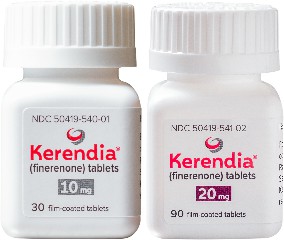
In terms of safe dose reference, the clinically recommended starting dose is generally 10 mg or 20 mg per day. The specific dosage intensity is determined based on the patient's renal function and blood potassium level. For glomerular filtration rate (eGFR) ≥60 Patients with mL/min/1.73 ㎡ can safely use 20mg/day; for patients with impaired renal function, it is usually recommended to start with 10mg/day and adjust the dose based on monitoring results. If hyperkalemia or renal function significantly decreases, the dose needs to be reduced or discontinued promptly.
To sum up, the toxicity intensity of fenelinone is within the controllable range of mild to moderate, and its clinical application safety is higher than that of traditional mineralocorticoid receptor antagonists. Patients need to regularly check blood potassium levels and kidney function during medication to ensure that the dosage is reasonable and safety is controllable. At the same time, avoiding combination with strong CYP3A4 inhibitors or potassium-containing drugs is a key measure to reduce the risk of toxicity.
Reference link:https://www.drugs.com
[ 免责声明 ] 本页面内容来自公开渠道(如FDA官网、Drugs官网、原研药厂官网等),仅供持有医疗专业资质的人员用于医学药学研究参考,不构成任何治疗建议或药品推荐。所涉药品可能未在中国大陆获批上市,不适用于中国境内销售和使用。如需治疗,请咨询正规医疗机构。本站不提供药品销售或代购服务。


