
.jpeg)
Analysis of the range of diseases and indications that rasagiline (Azilai) can treat
Rasagiline (Rasagiline) is a selective, irreversible inhibitor of monoamine oxidase B (MAO-B). It mainly increases the effective concentration of dopamine by inhibiting the decomposition of dopamine in the central nervous system, thereby improving neurological dysfunction related to dopamine deficiency. The main indication of this drug is the treatment of Parkinson’s disease (PD). Whether used as a single drug or in combination with levodopa, it can delay the progression of motor symptoms and reduce the “off time” (off time).
In patients with early-stage Parkinson's disease, rasagiline can be used as a single drug to help improve core motor symptoms such as tremor, stiffness, and bradykinesia, and is well tolerated. For patients with a longer course of disease, levodopa or other anti-Parkinson drugs are often used in combination to reduce adverse experiences caused by movement fluctuations and drug effect fading. Due to its relatively mild pharmacological mechanism, it is suitable for long-term maintenance treatment and is one of the common basic drugs in the treatment of Parkinson's disease.
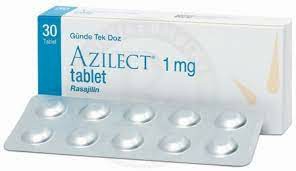
In addition, some studies have suggested that rasagiline may have a certain improvement effect on non-motor symptoms such as depression, fatigue and cognitive decline, which makes it have wider application value in the overall management of Parkinson's disease. Some clinical studies have also explored its potential value in neurodegenerative diseases such as Alzheimer's disease , believing that its antioxidant and neuroprotective effects may delay disease progression. However, these indications have not yet been officially approved and are still in the research stage.
Overall, the main indications for rasagiline are still focused on the treatment of Parkinson's disease It is especially suitable for patients who require long-term stable efficacy and want to reduce the risk of motor complications. In the future, with the deepening of more clinical trials, its indications in other neurological diseases are expected to gradually expand, but the current clinical application should focus on the approved treatment of Parkinson's disease.
Reference link:https://www.drugs.com
[ 免责声明 ] 本页面内容来自公开渠道(如FDA官网、Drugs官网、原研药厂官网等),仅供持有医疗专业资质的人员用于医学药学研究参考,不构成任何治疗建议或药品推荐。所涉药品可能未在中国大陆获批上市,不适用于中国境内销售和使用。如需治疗,请咨询正规医疗机构。本站不提供药品销售或代购服务。


