
.jpeg)
What disease is Cemiplimab a specific drug for?
Cemiplimab (Cemiplimab) is a new immune checkpoint inhibitor that targets programmed death receptor-1 (PD-1). It is considered to be one of the few "specific drugs" that has outstanding effects on specific cancer types. When it was first approved in the United States and Europe, the core indication of cimepilimab was locally advanced or metastatic cutaneous squamous cell carcinoma (CSCC). This is one of the few PD-1 inhibitors approved in this type of tumor. In this indication, cimepilimab provides a new treatment option for patients who have long lacked effective treatment. Clinical studies have shown that its objective response rate and durable response time are superior to traditional options.
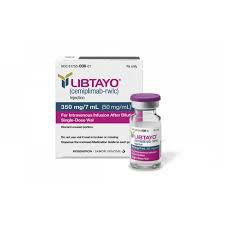
In addition, the indications of cimepilimab are constantly expanding, including non-small cell lung cancer and other solid tumors. In the treatment of lung cancer, it is often used in patients whose tumors have high expression of PD-L1, and can significantly improve progression-free survival and overall survival. For patients with cervical cancer, especially those with recurrence or metastasis after previous treatment failure, cimepilimab also shows positive therapeutic prospects and has become an optional drug recommended in some guidelines.
The special effect of cimipilimab is not to directly kill tumors, but to restore anti-tumor activity ofT cells by lifting immune suppression. This mechanism of action makes it particularly effective in certain tumor types that are highly dependent on immune escape. Overseas real-world use experience also shows that some patients can achieve lasting disease control after receiving treatment. This long-term and stable efficacy makes cimipilimab regarded as one of the representative drugs for tumor immunotherapy.
It should be pointed out that although cimepilimab is called a "specific drug", it is not effective for all tumor patients. Its effect is affected by multiple factors such as tumor molecular characteristics, PD-L1 expression levels, and the patient's autoimmune status. Therefore, selecting the right patient population is key to maximizing its efficacy.
Reference materials:https://www.libtayohcp.com/
[ 免责声明 ] 本页面内容来自公开渠道(如FDA官网、Drugs官网、原研药厂官网等),仅供持有医疗专业资质的人员用于医学药学研究参考,不构成任何治疗建议或药品推荐。所涉药品可能未在中国大陆获批上市,不适用于中国境内销售和使用。如需治疗,请咨询正规医疗机构。本站不提供药品销售或代购服务。


