
.jpeg)
Comparison of the efficacy of daprodustat and roxadustat
Daprodustat and Roxadustat are both oral HIF-PHI (hypoxia-inducible factor prolyl hydroxylase inhibitor) drugs, which are important innovations in the treatment of chronic kidney disease (CKD)-related anemia in recent years. They stabilize HIF by inhibiting prolyl hydroxylase, thereby enhancing the secretion of endogenous erythropoietin and improving iron metabolism, providing a new oral treatment method for dialysis and non-dialysis CKD patients. However, although their mechanisms of action are similar, there are still certain differences in their clinical efficacy, scope of indications, and drug properties.
In terms of therapeutic efficacy, both daprostat and roxadustat can effectively increase the hemoglobin level in patients with chronic kidney disease. Overseas clinical practice experience shows that both have good performance in maintaining hemoglobin stability and can improve CKD patients' symptoms such as fatigue, reduced exercise tolerance and impaired quality of life caused by anemia. However, in actual use, patients and doctors may notice slight differences in the speed of onset of action and control of hemoglobin fluctuations. Some studies have shown that daprostat has excellent hemoglobin stability in dialysis patients. Especially during long-term use, its hemoglobin level fluctuates less, which is conducive to maintaining the continuity of the therapeutic effect. Roxadustat shows a relatively stable efficacy curve in non-dialysis patients and can be adapted to a wide range of CKD populations. Therefore, the application strategies in different patient groups may be different.
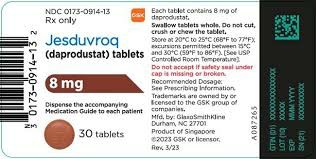
There are also subtle differences between the two in terms of improvements in iron metabolism. Daprostat shows certain advantages in regulating iron mobilization and iron utilization, which can increase the level of available iron in the body and reduce dependence on exogenous iron. This is particularly important for long-term dialysis patients, who often suffer from reduced iron utilization. Roxadustat can also improve iron metabolism, but its effect in regulating iron balance in the body may be slightly weaker than that of daprostat. Therefore, in patients with iron deficiency or limited iron utilization, doctors may pay more attention to the comprehensive regulatory ability of daprostat.
In addition, the scope of indications also affects the interpretation of efficacy comparisons. Daprostat is mainly used for adult CKD anemia patients who have been undergoing dialysis for at least four months, while roxadustat is approved for use in dialysis and non-dialysis CKD patients in many countries around the world, with wider coverage. Therefore, in non-dialysis patients, the efficacy of roxadustat has more reference value, while in long-term dialysis patients, the clinical experience of daprostat may be richer.
In terms of safety, both showed good tolerability, but issues such as blood pressure changes, cardiovascular risks, and potential thrombotic events still need to be paid attention to. Overseas use experience shows that the side effects of dapodustat are controllable in long-term use, and the hemoglobin stability is good when patients follow the monitoring plan; roxadustat is also safe, but it is necessary to pay close attention to changes in hemoglobin during the initial dose adjustment stage to prevent excessive rise.
In general, daprostat and roxadustat, asHIF-PHI drugs, have significant efficacy in increasing hemoglobin levels and improving CKD-related anemia. Daprostat has shown certain advantages in controlling hemoglobin fluctuations and optimizing iron utilization in dialysis patients, while roxadustat has more experience in the non-dialysis population and a wide range of CKD patients.
Reference materials:https://en.wikipedia.org/wiki/Daprodustat
[ 免责声明 ] 本页面内容来自公开渠道(如FDA官网、Drugs官网、原研药厂官网等),仅供持有医疗专业资质的人员用于医学药学研究参考,不构成任何治疗建议或药品推荐。所涉药品可能未在中国大陆获批上市,不适用于中国境内销售和使用。如需治疗,请咨询正规医疗机构。本站不提供药品销售或代购服务。


