
.jpeg)
Comparison of the efficacy and side effects of sotoracib (AMG 510) and adagrasiib
1. Drug background and development process
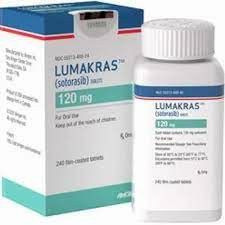
KRAS gene mutation is one of the most common driver mutations in non-small cell lung cancer (NSCLC), of which KRAS G12C accounts for an important proportion. KRAS has long been considered an “undruggable” target. It was not until the advent of small molecule irreversible inhibitors in recent years that the treatment landscape truly opened up. Sotorasib (Sotorasib, trade name Lumakras/Lumykras) was developed by Amgen (Amgen) and is the world's first approved KRAS G12C inhibitor. It was first launched in the United States in 2021 FDA Accelerated approval for marketing. Adagrasib (Adagrasib, trade name Krazati) was developed by Mirati Therapeutics and subsequently obtained FDA approval Approved, especially for expanded indications in the treatment of colorectal cancer combined with cetuximab. Both are targeted at patients with KRAS G12C mutations and are mainly used for locally advanced or metastatic NSCLC who have failed first-line or multiple lines of treatment.
2. Comparison of clinical efficacy
Judging from key clinical trial data, the overall efficacy of the two is similar. In the CodeBreaK-100 study, sotoracib showed an objective response rate (ORR) of approximately 37%, the disease control rate (DCR) is close to 80%, and the median progression-free survival (PFS) is about 6.6 months, and the median overall survival (OS) is about 12.5 months. In the untreated population, ORR increased to 46% or more, showing relatively stable anti-tumor activity.
Representative research on adagrasib isKRYSTAL-1 Test, the results showed that ORR was about 43%, DCR was about 80%, median PFS about 6.5 months, median OS about 12 months. In terms of efficacy indicators, adagrasiib performed slightly better than sotoracib, but the difference was not significant. In the indirect comparative analysis, there was no statistically significant difference in ORR and PFS, indicating that the efficacy of the two drugs is basically equivalent. It is worth mentioning that in the subgroup of patients with brain metastases, the point estimate of progression-free survival was better for sotoraxib, suggesting that it may have certain advantages in central nervous system control.
3. Side Effects and Safety Differences
There are some differences in the toxicity profiles of the two drugs. Common adverse reactions of sotoracib include diarrhoea, nausea, fatigue, elevated transaminases, musculoskeletal pain, etc. The overall tolerability of sotoracib is good. In clinical studies, the rate of dose adjustment or discontinuation due to adverse events is relatively low (about 20% ).
The types of adverse reactions of adagrasib are more complex. In addition to gastrointestinal reactions (diarrhea, nausea, vomiting) and fatigue, they also include hepatotoxicity, renal damage, dyspnea, edema, QTc interval prolongation, etc. The proportion of dose interruption or reduction in clinical trials was as high as 50% or more, which was significantly higher than that of sotoraxib. In other words, adagrasiib has a broader toxicity spectrum, and patients require more frequent monitoring and dose adjustments during treatment.
From a safety perspective, sotoracib is slightly better tolerated, while adagrasiib has slightly higher efficacy indicators, but its side effects are more prominent. Therefore, doctors often need to weigh clinical choices based on the patient's basic conditions. For example, sotoracib may be more suitable for patients with poor liver and kidney function or who cannot tolerate frequent dose adjustments; and for patients who pursue a higher response rate and can accept stronger side effect management, adagrasiib also has value.
4. Future prospects and clinical options
As more research is conducted, the indication boundaries of the two drugs are also constantly expanding. For example, adagrasiib combined with cetuximab has been approved for KRAS G12C Mutated metastatic colorectal cancer, this is an area that sotorasiib has not yet touched upon. In addition, multiple clinical trials are exploring the application prospects of the two in combination with immune checkpoint inhibitors, chemotherapy and other targeted drugs, aiming to delay the occurrence of drug resistance.
Generally speaking, the efficacy of sotoraxib and adagrasiib is basically the same, and the differences are mainly reflected in safety and side effect management. Sotoracib is milder and has controllable side effects; adagrasiib may have a slightly higher response rate but is less well tolerated. In actual clinical practice in the future, the choice between the two will depend on the patient's mutation characteristics, brain metastasis, underlying health status, and tolerance for side effects. As long-term follow-up data accumulates and more combination regimens mature, both drugs will continue to play a key role in the treatment of KRAS G12C mutated tumors.
Reference link:https://www.drugs.com
[ 免责声明 ] 本页面内容来自公开渠道(如FDA官网、Drugs官网、原研药厂官网等),仅供持有医疗专业资质的人员用于医学药学研究参考,不构成任何治疗建议或药品推荐。所涉药品可能未在中国大陆获批上市,不适用于中国境内销售和使用。如需治疗,请咨询正规医疗机构。本站不提供药品销售或代购服务。


