
.jpeg)
Analysis of the differences between daprodustat and ennadustat
Daprodustat and Enarodustat are both hypoxia-inducible factor prolyl hydroxylase inhibitors (HIF-PHI) that have attracted much attention in recent years. Both were originally developed to provide new oral treatment options for patients with chronic kidney disease and anemia.
Chronic kidney disease-related anemiaIn the past, treatment mainly relied on erythropoietin (ESA) and intravenous iron. However, this method has problems such as inconvenient medication, high price, and insufficient response in some patients. The emergence of HIF-PHI drugs breaks through the traditional thinking. It regulates endogenous erythropoietin levels by stabilizing hypoxia-inducible factor (HIF), while improving iron metabolism and bringing erythropoiesis closer to the physiological state, thus showing broad clinical application prospects. Although daplostat and ennadostat are similar in their mechanisms of action, they are different in terms of research and development background, pharmacokinetic characteristics, indication layout, and internationalization progress.
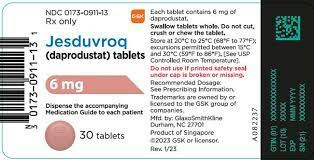
First of all, from the perspective of the research and development path, dapoprimostat is led by GlaxoSmithKline (GSK). It is one of the first HIF-PHIs to enter the global large-scale clinical trial system, and will be the first to be approved in Europe, the United States, Japan and other markets in 2023. Enadostat was developed in Japan. It was the first drug of its kind developed by a local Japanese pharmaceutical company and approved in the country, and then gradually promoted international registration.
Secondly, the pharmacokinetic characteristics of the two drugs are also different. As an oral preparation, the half-life and daily dosing schedule of dapocestat are clearly recommended in international guidelines. The stability and controllability of the drug in the body are relatively more suitable for large-scale promotion. Ennadostat's design emphasizes individualized dose adjustment and has accumulated rich data in the Japanese patient population, with particular emphasis on improving iron metabolism. Some studies have pointed out that the efficacy of ennadostat in low-iron conditions deserves attention, while daprostat pays more attention to the stability of overall erythropoiesis stimulation.
In terms of clinical indications, both daprostat and ennadostat focus on chronic kidney disease-related anemia, but their positioning in different markets is slightly different. Clinical studies of dapostat in Europe and the United States emphasize that its efficacy and safety can be compared with traditional ESA, and strive to establish its status as a first-line alternative. Ennadostat in Japan mainly focuses on the full-range management of dialysis and non-dialysis patients, emphasizing that it can play a role in different stages of renal function. The two also have different considerations in the use of combined iron supplements, which are closely related to the clinical guidelines and medical insurance policies of each country.
In terms of safety, as similar drugs, daplostat and ennadostat both need to pay attention to the potential risks of thrombosis, tumor promotion and cardiovascular events. However, current overseas data generally shows that the two are well tolerated. The difference is that dapostat has accumulated a larger international clinical safety database, while enadostat has rich long-term follow-up data in Japan. The complementary experiences of the two also provide multiple evidence for the global application of HIF-PHI drugs in the future.
Reference materials:https://en.wikipedia.org/wiki/Daprodustat
[ 免责声明 ] 本页面内容来自公开渠道(如FDA官网、Drugs官网、原研药厂官网等),仅供持有医疗专业资质的人员用于医学药学研究参考,不构成任何治疗建议或药品推荐。所涉药品可能未在中国大陆获批上市,不适用于中国境内销售和使用。如需治疗,请咨询正规医疗机构。本站不提供药品销售或代购服务。


