
.jpeg)
What exactly is durvalumab/Infinifer?
Durvalumab/Infinifer (Durvalumab) is an innovative immunotherapy drug that belongs to the programmed death ligand 1 (PD-L1) inhibitor class of monoclonal antibodies. By targeting PD-L1, it blocks the immunosuppressive signals between tumor cells and T cells, allowing the patient's own immune system to recognize and attack tumor cells, thereby playing an anti-cancer role in a variety of solid tumors. This mechanism is different from traditional chemotherapy drugs. Chemotherapy usually relies on directly killing tumor cells, while immune checkpoint inhibitors achieve tumor control by restoring immune activity. This is also an important symbol of the development of cancer treatment from cytotoxicity to precision immunity in recent years.
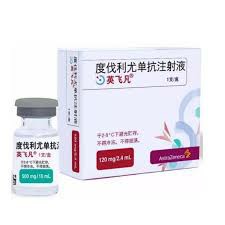
Internationally, durvalumab has been approved for a variety of indications, including unresectable locally advanced small cell lung cancer, non-small cell lung cancer (NSCLC), and urothelial cancer. In NSCLC, durvalumab is usually used as maintenance therapy after chemotherapy and radiotherapy, aiming to delay disease progression and improve patients' progression-free survival (PFS) and overall survival (OS). It has the advantage of being able to provide further disease control after conventional therapy without adding significant systemic toxicity, which is particularly important for patients with lung cancer.
The drug properties of durvalumab also include intravenous infusion administration every two weeks or every four weeks to facilitate clinical management. Because it is a fully humanized monoclonal antibody, it is relatively well tolerated. Most of the immune-related adverse reactions are rash, enteritis or thyroid dysfunction, which can be managed through standardized monitoring and early intervention. This controllability enables long-term maintenance of durvalumab in clinical practice, bringing sustained therapeutic benefits to patients.
It is worth noting that as aPD-L1 inhibitor, the efficacy of durvalumab is usually related to the PD-L1 expression level of tumor tissue. Patients with high expression show more pronounced benefit in clinical trials, while patients with low expression may have relatively limited responses.
Reference materials:https://www.imfinzi.com/
[ 免责声明 ] 本页面内容来自公开渠道(如FDA官网、Drugs官网、原研药厂官网等),仅供持有医疗专业资质的人员用于医学药学研究参考,不构成任何治疗建议或药品推荐。所涉药品可能未在中国大陆获批上市,不适用于中国境内销售和使用。如需治疗,请咨询正规医疗机构。本站不提供药品销售或代购服务。


