
.jpeg)
Molecular structure and pharmacological mechanism of Erlotinib/Tarceva
Erlotinib (Erlotinib) is a small molecule compound that belongs to the benzopyrrolopyrimidine structure. Its molecular design is highly selective and can form competitive binding with the ATP binding site of EGFR tyrosine kinase. Since EGFR is abnormally activated in many tumors of epithelial origin, leading to unrestricted cell proliferation, resistance to apoptosis, and angiogenesis, the emergence of erlotinib effectively inhibits this pathological process.
From a molecular level, erlotinib prevents the phosphorylation of tyrosine residues by competing with the ATP binding site in the EGFR kinase region. This process further blocks downstream signaling pathways, such as the PI3K/AKT pathway and the RAS/RAF/MEK/ERK pathway. These pathways are highly correlated with cell growth, division, and survival, so when signaling is inhibited, the ability of cancer cells to grow and metastasize is significantly reduced. Unlike traditional chemotherapy, erlotinib is more targeted, has a stronger effect on tumor cells, and has a relatively small impact on normal cells.
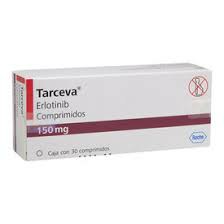
In addition, erlotinib also has the characteristics of high oral bioavailability, and its pharmacokinetic characteristics determine that it can maintain a stable concentration in the patient's body. Studies have shown that erlotinib has a significant inhibitory effect on tumor cells with EGFR-sensitive mutations, but its efficacy is significantly reduced for wild-type EGFR or drug-resistant mutant strains. This is why in clinical practice, EGFR gene testing has become an important step before medication.
It is noteworthy that erlotinib does not rely solely on a single mechanism. Some studies suggest that it may also enhance anti-tumor effects by regulating the tumor microenvironment. For example, it may affect the interaction between tumor cells and vascular endothelial cells, thereby inhibiting angiogenesis. This multi-dimensional mode of action allows it to still maintain good efficacy in some patients.
In summary, the molecular structure design of erlotinib gives it a high degree of targeting, and its pharmacological mechanism is not only reflected in blockingEGFR signaling, but may also involve more complex biological effects.
Reference materials:https://en.wikipedia.org/wiki/Erlotinib
[ 免责声明 ] 本页面内容来自公开渠道(如FDA官网、Drugs官网、原研药厂官网等),仅供持有医疗专业资质的人员用于医学药学研究参考,不构成任何治疗建议或药品推荐。所涉药品可能未在中国大陆获批上市,不适用于中国境内销售和使用。如需治疗,请咨询正规医疗机构。本站不提供药品销售或代购服务。


