
.jpeg)
Introduction to the onset time and observation results of treatment course of Mobosetinib (Anvili)
Mobocertinib is a new oral tyrosine kinase inhibitor, mainly used to treat patients with non-small cell lung cancer (NSCLC) carrying EGFR exon 20 insertion mutations. As a drug developed specifically for this rare mutation, mobosetinib has shown rapid onset of action in clinical applications. Generally speaking, some patients can observe tumor shrinkage or symptom improvement, such as reduction of cough and relief of dyspnea, within 2-4 weeks after starting treatment. Of course, the specific onset of effect will vary depending on individual differences, tumor burden, and previous treatments.
In clinical trial data, mobosetinib has shown relatively stable efficacy. Studies have shown that the objective response rate (ORR) of patients treated with mobosetinib is around 25%-30% , while the disease control rate exceeds 70%. This means that most patients can control tumor growth after regular use of the drug, and some patients can achieve significant remission. Compared with traditional chemotherapy, moboxetinib is more targeted and can provide new treatment options for patients carrying specific mutations.
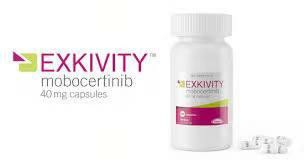
Regarding treatment course observation, clinical studies show that after patients continue to use mobosetinib, the median progression-free survival (PFS) is about 7 months, and some patients with good responses can even maintain it for longer. During the treatment process, doctors will comprehensively judge the efficacy through imaging examinations (CT, MRI , etc.) and improvement of clinical symptoms. If the tumor is shown to be stable or shrinking during the initial observation period (such as 2-3 months), it is usually recommended to continue maintenance treatment in order to obtain long-term benefits.
It is worth noting that although mobosetinib has definite efficacy, side effects such as diarrhea, rash, loss of appetite, electrocardiogram changes, etc. need to be closely monitored during the course of treatment. Therefore, treatment course observation includes not only tumor response assessment, but also comprehensive follow-up of patient tolerance and safety. Only under the guidance of a doctor, the dose or regimen can be adjusted according to the efficacy and adverse reactions, so that patients can maximize their survival benefits while ensuring their quality of life.
Reference link:https://www.drugs.com
[ 免责声明 ] 本页面内容来自公开渠道(如FDA官网、Drugs官网、原研药厂官网等),仅供持有医疗专业资质的人员用于医学药学研究参考,不构成任何治疗建议或药品推荐。所涉药品可能未在中国大陆获批上市,不适用于中国境内销售和使用。如需治疗,请咨询正规医疗机构。本站不提供药品销售或代购服务。


