
.jpeg)
Tepotinib (Tuodekang) dose adjustment plan for special groups such as the elderly or those with liver and kidney insufficiency
Tepotinib is a selective MET inhibitor, mainly used to treat patients with locally advanced or metastatic non-small cell lung cancer associated with MET exon 14 skipping mutations. In clinical application, drug safety and dosage adjustment for different groups of people are the focus of doctors' attention. According to the drug instructions and clinical research results, tepotinib has certain application basis in the elderly and people with abnormal liver and kidney function, but it still requires individualized adjustment.
In elderly patients (≥65 years), studies have shown that the pharmacokinetics of tepotinib do not change significantly, so dose adjustment based on age alone is generally not required. Elderly patients can be treated at the usual recommended dose (450mg once daily). However, considering that this population is often accompanied by concomitant medications and underlying diseases, doctors will pay more attention to potential drug interactions and adverse reactions, such as peripheral edema, gastrointestinal symptoms, etc., and may appropriately strengthen monitoring in practical applications.
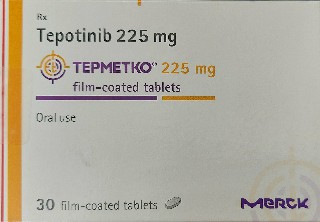
Secondly, for patients with hepatic insufficiency, the metabolism of tepotinib is mainly completed through the liver. In patients with mild to moderate hepatic impairment (Child-Pugh A or B), dose adjustment is generally not required, but drug tolerance should be closely monitored. For patients with severe hepatic insufficiency (Child-Pugh C), due to the lack of sufficient clinical data, its use is currently not recommended. If it must be used, it must be done under the guidance of a professional doctor, and changes in liver function should be monitored at any time.
For patients with renal insufficiency, existing studies have shown that the drug exposure of patients with mild or moderate renal insufficiency does not change significantly when using tepotinib, and generally no dose adjustment is required. However, there is insufficient clinical data in patients with severe renal impairment (eGFR<30 mL/min/1.73m²), so it is not possible to clearly recommend a regimen. For such patients, if tepotinib must be used, the benefits and risks must be weighed and used with caution and under close monitoring.
In general, tepotinib can usually be maintained at a regular dose in elderly patients and patients with mild to moderate liver and renal impairment, but people with severe liver and renal impairment need to be extra cautious or even avoid its use. Clinically, a comprehensive judgment should be made on whether dose adjustment or additional monitoring is needed based on the patient's individual differences, underlying diseases, and concomitant medications.
Reference link:https://www.drugs.com
[ 免责声明 ] 本页面内容来自公开渠道(如FDA官网、Drugs官网、原研药厂官网等),仅供持有医疗专业资质的人员用于医学药学研究参考,不构成任何治疗建议或药品推荐。所涉药品可能未在中国大陆获批上市,不适用于中国境内销售和使用。如需治疗,请咨询正规医疗机构。本站不提供药品销售或代购服务。


