
.jpeg)
Potential effects of selinexol (silvio) on the kidneys and dosage adjustment recommendations
Selinexor (Selinexor) is a selective nuclear export inhibitor (SINE), mainly used to treat relapsed or refractory multiple myeloma and certain types of lymphoma. Its mechanism of action is by inhibiting the nuclear export protein XPO1, causing tumor suppressor proteins to accumulate in the nucleus, thereby inducing apoptosis of cancer cells. Despite its significant anti-tumor efficacy, selinesol may have certain effects on the kidneys during treatment, so it is important to understand its potential renal risks and reasonable dose adjustment strategies.
Selinesol may cause an increase in serum creatinine or mild abnormalities in renal function indicators, and some patients experience acute renal function fluctuations after treatment. This is mainly related to drug-induced dehydration, electrolyte imbalance and the renal metabolism burden of the drug itself. Clinically, most mild changes in renal function can be recovered after adjusting the dose or strengthening hydration management, but patients with severe renal impairment need to be extra cautious.
The use of selinesol in patients with different renal functions requires individualized dose adjustment. For mild to moderate renal insufficiency (eGFR ≥30 mL/min/1.73㎡), the standard dose can usually be maintained, but serum creatinine, urea nitrogen, and electrolyte monitoring need to be strengthened. For patients with severe renal insufficiency or receiving dialysis, due to reduced drug clearance, it may be necessary to reduce the dose or extend the dosing interval, and the risks and benefits should be fully evaluated before use.
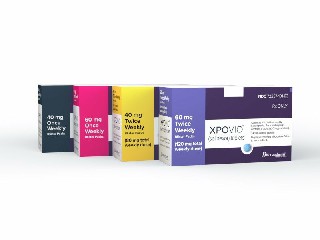
To reduce kidney risks, patients should pay attention to adequate hydration, monitor changes in weight and blood pressure during medication, and promptly report symptoms such as decreased urine output, edema or fatigue. If there is obvious deterioration of renal function, the drug should be stopped immediately or the dose should be adjusted under the guidance of a doctor, along with fluid management and necessary auxiliary treatment. Through scientific monitoring and dose management, most patients can control renal adverse reactions within acceptable limits while ensuring therapeutic efficacy.
Reference link:https://www.drugs.com
[ 免责声明 ] 本页面内容来自公开渠道(如FDA官网、Drugs官网、原研药厂官网等),仅供持有医疗专业资质的人员用于医学药学研究参考,不构成任何治疗建议或药品推荐。所涉药品可能未在中国大陆获批上市,不适用于中国境内销售和使用。如需治疗,请咨询正规医疗机构。本站不提供药品销售或代购服务。


