
.jpeg)
Vigabatrin (Ocoda) blood concentration monitoring and dose adjustment methods
Vigabatrin (Vigabatrin) is an irreversible γ-aminobutyric acid aminotransferase (GABA-T) inhibitor, mainly used for the treatment of refractory epilepsy and West syndrome in infants and young children. It exerts anti-epileptic effects by inhibiting the decomposition of GABA and increasing the concentration of GABA in the central nervous system. Because Vigabatrin has obvious individual differences and long-term use may lead to risks such as retinal toxicity, blood concentration monitoring and individual dosage adjustment are usually required in clinical practice.
The main purpose of monitoring the blood concentration of Vigabatrin is to ensure efficacy and reduce the risk of adverse reactions. Clinically, it is recommended to measure blood drug concentrations after stable medication, especially when the initial dose is adjusted or when patients experience poor epilepsy control or side effects. Monitoring blood drug concentrations can help doctors determine whether the drug has reached the therapeutic window and assess whether there is drug accumulation or metabolic abnormalities.
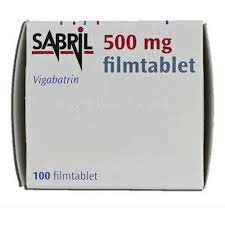
Dose adjustment should be based on a comprehensive judgment based on blood drug concentration, clinical efficacy and patient tolerance. In general, if the blood drug concentration is lower than the therapeutic window and epileptic seizures are still frequent, you can consider gradually increasing the dose; conversely, if the blood drug concentration is too high or obvious side effects (such as fatigue, drowsiness, abnormal behavior) occur, the dose should be reduced or the dosing interval should be extended. For infants, young children and elderly patients, individualized adjustments should also be made based on body weight, renal function and drug metabolism characteristics.
Long-term use of Vigabatrin requires regular eye examinations to prevent retinal toxicity. The dose adjustment strategy should be combined with blood drug concentration monitoring. For example, when abnormal vision occurs or the blood drug concentration continues to be high, the dose should be reduced in a timely manner or the drug should be used intermittently, and changes in blood drug concentration should be continuously monitored. Through scientific monitoring and individualized dose management, we can effectively reduce the risk of side effects while maximizing drug efficacy, ensuring long-term safe medication use for patients.
Reference link:https://www.drugs.com
[ 免责声明 ] 本页面内容来自公开渠道(如FDA官网、Drugs官网、原研药厂官网等),仅供持有医疗专业资质的人员用于医学药学研究参考,不构成任何治疗建议或药品推荐。所涉药品可能未在中国大陆获批上市,不适用于中国境内销售和使用。如需治疗,请咨询正规医疗机构。本站不提供药品销售或代购服务。


