
.jpeg)
Introduction to the grading standards and corresponding treatment methods for adverse reactions of adagrasib (Krazati)
1. Introduction to Adagrazeb
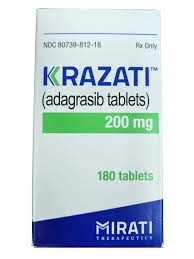
Adagrasib (trade name: Krazati) is a KRAS G12C mutation inhibitor that has been approved for the treatment of patients with non-small cell lung cancer (NSCLC) and some other malignant tumors with KRAS G12C mutations. Like other targeted drugs, while adagrasib brings curative effects, it may also cause varying degrees of adverse reactions. In order to ensure the safety of patients and the smooth progress of treatment, clinical practice usually refers to the National Cancer Institute Common Terminology Criteria for Adverse Reactions (NCI-CTCAE) to grade adverse reactions, and take corresponding treatment measures according to the classification.
2. Adverse reaction grading standards
In clinical research and application, common adverse reactions of adagrasib include Gastrointestinal symptoms (diarrhea, nausea, vomiting), abnormal liver function, fatigue, decreased appetite, abnormal hematological indicators , etc. CTCAEclassifies adverse reactions into 1~5 grades:
Level 1 (mild): symptoms are mild, do not affect daily life, and require no special intervention;
Level 2 (moderate): The symptoms are obvious and affect some life or activities, but you can still take care of yourself, usually requiring symptomatic treatment or adjustment of supportive medication;
Level 3 (severe): Symptoms are severe and significantly affect life, requiring drug intervention, dose adjustment or short-term drug discontinuation;
Grade 4 (life-threatening): Urgent medical intervention or hospitalization is required, and treatment usually must be discontinued or permanently discontinued;
Level 5 (Death): Death directly caused by drug-related adverse reactions.
3. Common adverse reactions and treatment methods
1.Gastrointestinal reactions (diarrhea, nausea, vomiting)
Level 1: Encourage to drink more water, adjust your diet (light diet, avoid greasy and irritating foods), and use antidiarrheal or antiemetics if necessary.
Level 2: Drug intervention can be added, such as loperamide to control diarrhea, ondansetron to relieve nausea and maintain electrolyte balance. If relief persists, consider briefly discontinuing the medication.
Level 3: The drug should be stopped immediately and intravenous infusion, electrolyte correction and nutritional support should be carried out. After the symptoms are relieved, the dosage can be reduced or treatment can be restarted under the guidance of a doctor.
Grade 4: Hospitalization is required, and adagrasib treatment is usually discontinued.
2.Abnormal liver function (ALT, AST increased)
Level 1 (mildly elevated): dynamic monitoring, no need to adjust medication.
Level 2 (significantly elevated but <5 times the upper limit of normal): Consider reducing potentially hepatotoxic drugs and continue monitoring.
Level 3 (>5 times the upper limit of normal): The drug should be temporarily stopped, hepatoprotective drugs should be used, and liver function should be reviewed regularly.
Level 4: Permanent discontinuation of adagrasib is required.
3.Fatigue and decreased appetite
Level 1~Level 2: Encourage patients to maintain a regular schedule, perform light exercise, and improve nutritional support.
Level 3: If fatigue affects daily activities, it should be evaluated whether it is related to the drug. If necessary, treatment should be suspended and restarted at a reduced dose after recovery.
4.Hematological adverse reactions (anemia, neutropenia)
Level 1~Level 2: mostly mild, blood routine monitoring is required regularly.
Level 3: The drug needs to be stopped and symptomatic support is required, such as blood transfusion or the use of leukocyte-increasing drugs if necessary.
Level 4: The drug is discontinued and active treatment is initiated, and the original regimen usually cannot be resumed.
4. Clinical management and individualized adjustment
During treatment with adagrasiib, it is recommended that patients undergo regular hematology tests, liver and kidney function monitoring, and imaging follow-up. Doctors need to consider the grade, duration and impact on quality of life of the patient's adverse reactions to make a comprehensive decision on whether dosage reduction, delayed administration or discontinuation is needed. Generally, the recommended dose of adagrasiib is 600mgorally, twice a day. If severe adverse reactions occur, the dose can be gradually reduced to 400mg or 200mg. However, once the intolerance is severe or multiple relapses, permanent discontinuation of the drug should be considered.
At the same time, patients themselves should also actively cooperate and report changes in symptoms to doctors in a timely manner, such as the number of diarrhea, degree of fatigue, manifestations of jaundice, etc., so that doctors can classify and take treatment measures in a timely manner. Through co-management between doctors and patients, most adverse reactions are controllable and reversible and will not affect the overall treatment effect.
Adagrasib is an important targeted therapy for patients with KRAS G12C mutations, and most of its adverse reactions can be reasonably managed through the CTCAE grading standards. Common clinical gastrointestinal discomfort, liver function abnormalities, fatigue and hematological changes can usually be improved through symptomatic support, dose adjustment or temporary discontinuation of medication. Permanent discontinuation should only be considered in severe (Grade 3-4) or life-threatening conditions. Scientific and reasonable monitoring and individualized treatment can not only reduce the harm of adverse reactions, but also help patients benefit in the long term.
Reference materials:https://www.drugs.com/
[ 免责声明 ] 本页面内容来自公开渠道(如FDA官网、Drugs官网、原研药厂官网等),仅供持有医疗专业资质的人员用于医学药学研究参考,不构成任何治疗建议或药品推荐。所涉药品可能未在中国大陆获批上市,不适用于中国境内销售和使用。如需治疗,请咨询正规医疗机构。本站不提供药品销售或代购服务。


