
.jpeg)
How to delay Selinisol (Silvio) resistance and prolong its efficacy
Selinesol is a selective nuclear export inhibitor (XPO1inhibitor), which is widely used in the treatment of hematological tumors such as multiple myeloma. However, during monotherapy, patients may gradually develop drug resistance due to adaptive changes in tumor cells. Studies have found that the combined use of selinesol with proteasome inhibitors (such as bortezomib), immunomodulators (such as lenalidomide), glucocorticoids or monoclonal antibodies can produce a synergistic effect, enhance the effect of killing tumor cells, and delay the occurrence of drug resistance.
During the treatment process, reasonable arrangements Dosage and cycle are also crucial to delay drug resistance. In clinical practice, intermittent administration is often used to allow tumor cells to alternate between drug action and recovery periods, reducing continuous drug pressure, thereby reducing the selective pressure of drug-resistant mutations. At the same time, doctors will gradually adjust the dosage according to the patient's tolerance to achieve the purpose of ensuring the efficacy while minimizing toxic and side effects.
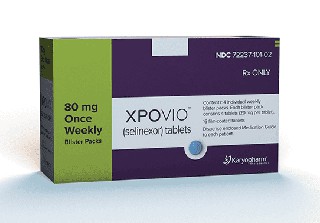
In order to detect signs of resistance earlier, clinical practice will recommend that patients regularly monitor peripheral blood and bone marrow-related indicators during treatment with selinesol. Peripheral blood and bone marrow-related indicators, including protein expression levels, cytokine changes, and potential gene mutations. By dynamically observing disease progression and biological characteristics, doctors can adjust treatment plans in a timely manner, or introduce combination therapy or alternative therapies in advance before drug resistance is fully developed, thereby prolonging the overall efficacy of the drug.
In addition to clinical treatment strategies, the patient's cooperation in daily life is also critical, such as maintaining good nutritional status, regular work and rest, and following the doctor's prescribed medication, which will help improve the tolerance and efficacy of treatment. At the same time, new second-generation XPO1 inhibitors and multi-target combination regimens are also being developed, which are expected to provide more options for patients with selinexole resistance in the future. Through the combination of clinical strategies and patient self-management, the progression of drug resistance can be delayed to the greatest extent and the time for treatment benefit can be prolonged.
Reference materials:https://www.drugs.com/
[ 免责声明 ] 本页面内容来自公开渠道(如FDA官网、Drugs官网、原研药厂官网等),仅供持有医疗专业资质的人员用于医学药学研究参考,不构成任何治疗建议或药品推荐。所涉药品可能未在中国大陆获批上市,不适用于中国境内销售和使用。如需治疗,请咨询正规医疗机构。本站不提供药品销售或代购服务。


