
.jpeg)
New 10-year data shows ibrutinib/Eco has durable efficacy in CLL/SLL
LandmarkRESONATE-2 trial (NCT01722487) final results for any targetedchronic lymphocytic leukemia(CLL) or small lymphocytic lymphoma (SLL) provides the longest follow-up to date, highlighting the long-term efficacy and safety of first-line Ibrutinib.
Phase 3 compared untreated single-agent ibrutinib and chlorambucil in patients with CLL/SLL who were 65 years of age or older and did not have a del(17p) mutation. The median follow-up period in the ibrutinib group was 9.6 years, and the final analysis showed that the median progression-free survival for patients in the ibrutinib group was 8.9 years, compared with only 1.3 years for patients in the chlorambucil group. This sustained benefit was observed in different patient subgroups. These data reinforce the role of ibrutinib as a cornerstone in the management of CLL/SLL, particularly in older patients with high-risk genomic signatures.
1. Durable benefits for patients with high-risk characteristics
A key finding in the final analysis was the durable efficacy of ibrutinib in patients with high-risk genomic signatures, which have historically been associated with poor outcomes with conventional chemotherapy. These features include unmutated IGHV, del(11q), TP53 mutations, or a complex karyotype. For this high-risk subgroup, the median PFS with ibrutinib was 8.4 years, in sharp contrast to 0.7 years with chlorambucil. The 9-year progression-free survival rate for these patients taking ibrutinib was 47%, highlighting the ability of BTK inhibitors to overcome the poor prognosis often associated with these genetic alterations.
In addition, the median overall survival (OS) for patients treated with ibrutinib has not yet been reached, with the 9-year OS rate of 68% for all patients in the ibrutinib group and 66% for patients with at least 1 high-risk genomic signature.
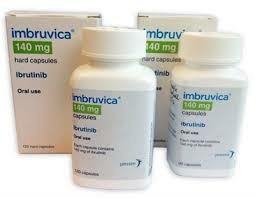
2. Ten-year safety and tolerability overview
RESONATE-2 had a median treatment duration of 6.2 years, and its final analysis comprehensively examined the long-term safety of ibrutinib. The most common adverse events (AEs) of any grade were diarrhea (52%), fatigue (41%), cough (39%), and nausea (32%). The incidence of adverse events remained stable over time, and no new safety signals emerged during the extended follow-up period.
One-quarter of the patients (25%) required a dose reduction due to adverse events at some point during the study. Importantly, 88% of patients experienced an improvement in adverse events, indicating that the aggressive dose management strategy was effective in mitigating adverse events and allowing patients to continue treatment. This manageable tolerability allows patients to continue to benefit from long-term treatment, a key factor in chronic diseases such as CLL/SLL.
Thirty-three percent of patients discontinued treatment due to adverse events, with the most common causes being atrial fibrillation and pneumonia. The study found no trend in increasing discontinuation rates over time, further supporting the long-term tolerability of the drug.
3. Review of Early Data
The first analysis of RESONATE-2 was published in December 2015. Here, PFS was significantly longer with ibrutinib than with chlorambucil (median, less than 18.9 months), and the risk of progression or death was 84% u200bu200blower with ibrutinib than with azobutinib (HR, 0.16; P < 0.001). Ibrutinib significantly prolonged OS, with estimated 24-month survival of 98% in the ibrutinib group compared with 85% in the chlorambucil group, and the relative risk of death in the ibrutinib group was 84% u200bu200blower than in the chlorambucil group (HR, 0.16; P=0.001). In addition, the overall response rate of ibrutinib was higher than that of chlorambucil (86% vs. 35%, P<0.001).
4. Sustained response and future treatment options
These new data also suggest that response to ibrutinib deepens over time. The cumulative rate of complete remission (CR) or CR with incomplete bone marrow recovery (CRi) increased during the first 7 years of the study and stabilized at 36% in later years. 1 At the end of the study, 27% of patients were still receiving first-line ibrutinib, highlighting the drug's continued efficacy.
For patients who discontinued first-line ibrutinib, various second-line therapies were used, including venetoclax (venetoclax) and acalabrutinib (acalabrutinib). The study also examined outcomes for patients initially in the chlorambucil arm who crossed over to receive second-line ibrutinib after disease progression. These patients had a median post-crossover PFS of 48.5 months and a 4-year OS rate of 68%, indicating that ibrutinib remains an effective option even in the second-line setting.
The study authors concluded: "To date, ibrutinib has been globally approved and used in more than 320,000 patients worldwide, and has become a cornerstone of disease management in these patients." "These findings highlight the durable clinical benefit of ibrutinib in different subgroups of patients, including those with high prognostic risk genomic or clinical factors.
Reference materials:https://www.targetedonc.com/view/new-10-year-data-show-ibrutinib-s-lasting-efficacy-in-cll-sll
[ 免责声明 ] 本页面内容来自公开渠道(如FDA官网、Drugs官网、原研药厂官网等),仅供持有医疗专业资质的人员用于医学药学研究参考,不构成任何治疗建议或药品推荐。所涉药品可能未在中国大陆获批上市,不适用于中国境内销售和使用。如需治疗,请咨询正规医疗机构。本站不提供药品销售或代购服务。


