
.jpeg)
Is Clofazimine/Sempra effective in treating tuberculosis?
Clofazimine (Clofazimine) first entered clinical practice as a long-term treatment for leprosy, but its antibacterial activity and unique drug properties have shown new application value in the treatment of multidrug-resistant tuberculosis (MDR-TB). In recent years, with the increase in drug-resistant tuberculosis strains, clofazimine has been reincorporated into tuberculosis treatment regimens and has become an important component of combination therapy. Its unique fat-soluble structure enables the drug to be enriched in the body, especially in the lung tissue, which can prolong the action time of the drug and improve the bactericidal effect, which is particularly important for refractory tuberculosis.
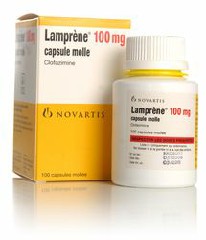
Clofazimine exhibits good antibacterial activity against multidrug-resistant tuberculosis strains in vitro and in animal models, especially in mouse experiments, where it can effectively inhibit the proliferation of drug-resistant bacteria. In clinical application, clofazimine is usually used in combination with rifampicin, ethionamide or other second-line anti-tuberculosis drugs. This multi-drug combination therapy not only improves the success rate of treatment, but also shortens the treatment cycle for some patients. Multiple ongoing clinical trials are exploring novel short-course clofazimine-containing regimens aimed at optimizing treatment for patients with drug-resistant and drug-susceptible TB while reducing drug-related side effects.
It is worth noting that clofazimine has not undergone modern rigorous pharmacokinetics and safety evaluation since its clinical use in the 1950s. The existing doses mostly rely on early experience and are not supported by sufficient evidence-based data. Therefore, when clinicians use clofazimine to treat tuberculosis, they need to strictly monitor the efficacy and side effects, including long-term skin pigmentation, gastrointestinal discomfort, and potential cardiac effects, based on the patient's specific conditions. For patients with pulmonary tuberculosis, the drug's lung tissue distribution characteristics make it more effective locally, but it is also necessary to be alert to possible long-term accumulation problems.
Overall, clofazimine has shown positive clinical value in the treatment of multidrug-resistant tuberculosis, especially as part of a combination regimen, which can improve treatment effects, shorten treatment duration, and enhance the control of drug-resistant strains.
Reference materials:https://www.novartis.com/our-products/pipeline/clofazimine
[ 免责声明 ] 本页面内容来自公开渠道(如FDA官网、Drugs官网、原研药厂官网等),仅供持有医疗专业资质的人员用于医学药学研究参考,不构成任何治疗建议或药品推荐。所涉药品可能未在中国大陆获批上市,不适用于中国境内销售和使用。如需治疗,请咨询正规医疗机构。本站不提供药品销售或代购服务。


