
.jpeg)
Can young people take Enasidenib tablets for a long time?
Enasidenib is an oral small molecule targeted drug targeting IDH2 gene mutations. It is mainly used to treat adult patients with relapsed or refractory acute myeloid leukemia (AML). IDH2 mutations can lead to abnormal accumulation of 2-hydroxyglutarate (2-HG) in tumor cells, thereby hindering the differentiation and maturation of leukemia cells and promoting disease progression. Ensidipine inhibits the activity of IDH2 mutant enzyme, gradually restoring the differentiation ability of immature leukemia cells, thereby controlling the development of the disease. Among young patients, the long-term safety and efficacy of drugs are the biggest concerns for parents and patients.
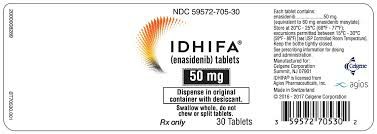
Clinical studies have shown that ensidipine is relatively well tolerated, has strong targeting and less inhibition on normal blood cells than traditional chemotherapy, making it possible to achieve long-term oral treatment in adult patients. However, for younger people, the long-term effects of the drug on growth, development and metabolism have not yet been fully evaluated, so it needs to be used under strict physician supervision. Long-term use of the drug may cause hematological toxicity, differentiation syndrome, or mild to moderate gastrointestinal reactions. Patients should undergo regular blood routine and biochemical index testing to detect and deal with adverse reactions in a timely manner.
In terms of treatment strategy, if young patients meetIDH2 mutation-positive criteria, ensidipine can be used as a single agent for long-term maintenance treatment, or it can be used in combination with other low-intensity chemotherapy or targeted drugs to enhance the efficacy. For long-term management, it is necessary to make individualized dosage adjustments based on the patient's disease progression and tolerance, as well as lifestyle management and psychological support to ensure the continuity and effect of treatment. It is worth noting that young patients should strictly follow the doctor's instructions during use and should not increase or decrease the dosage of the drug or stop the drug at will, so as not to affect the efficacy or even cause the disease to relapse.
Reference materials:https://www.idhifa.com/
[ 免责声明 ] 本页面内容来自公开渠道(如FDA官网、Drugs官网、原研药厂官网等),仅供持有医疗专业资质的人员用于医学药学研究参考,不构成任何治疗建议或药品推荐。所涉药品可能未在中国大陆获批上市,不适用于中国境内销售和使用。如需治疗,请咨询正规医疗机构。本站不提供药品销售或代购服务。


