
.jpeg)
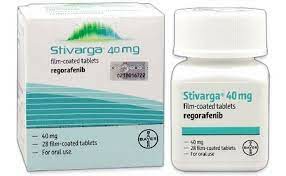
Comparative analysis of the efficacy and safety of regorafenib (Belvango) and sorafenib
1. Overview of Drugs
Regofenib and sorafenib are oral multi-target tyrosine kinase inhibitors, mainly used to treat solid tumors such as advanced hepatocellular carcinoma, colorectal cancer metastasis, and gastrointestinal stromal tumors. Sorafenib is the first first-line oral targeted drug approved for advanced liver cancer. Its main targets include the RAF kinase family, VEGFR and PDGFR. Regorafenib is a second-generation multi-target inhibitor developed on the basis of sorafenib. It has a wider range of targets, including VEGFR1-3, TIE2, KITKIT pan>, RET, RAF-1 and BRAF, etc., also have advantages in certain resistance mechanisms.
2. Comparison of efficacy
In the first-line treatment of hepatocellular carcinoma, key clinical trial data of sorafenib show that the median overall survival (OS) is approximately 10.7 months, and the median progression-free survival (
3. Security comparison
Both have side effects and skin reactions related to angiogenesis inhibition. Common side effects of sorafenib include hand-foot syndrome, diarrhea, hypertension, fatigue, and rash, among which hand-foot syndrome has a high incidence and may affect patients' quality of life. The side effect spectrum of regorafenib is similar to that of sorafenib, but the incidence of toxicity is slightly higher, especially hand-foot syndrome and hypertension, but most side effects can be controlled through dose adjustment and supportive care. Regorafenib has stricter monitoring requirements in terms of thrombocytopenia and liver function abnormalities, and regular follow-up of liver and kidney function and blood routine is required.
4. Clinical application suggestions
In clinical practice, sorafenib is suitable for patients with initially treated advanced hepatocellular carcinoma, while regorafenib is mainly used as a second-line treatment after failure or progression of sorafenib treatment. In well-tolerated patients, regorafenib can be administered orally at standard doses to maintain efficacy while reducing the risk of toxicity with regular monitoring. The choice of which drug should be based on the patient's underlying disease status, previous treatment history and individual tolerance. Overall, sorafenib is effective as a first-line treatment, while regorafenib, as a second-line treatment, provides additional survival benefits in sorafenib-resistant patients. Both can be effectively managed through monitoring and dose adjustment in terms of safety.
Reference materials:https://www.drugs.com/
[ 免责声明 ] 本页面内容来自公开渠道(如FDA官网、Drugs官网、原研药厂官网等),仅供持有医疗专业资质的人员用于医学药学研究参考,不构成任何治疗建议或药品推荐。所涉药品可能未在中国大陆获批上市,不适用于中国境内销售和使用。如需治疗,请咨询正规医疗机构。本站不提供药品销售或代购服务。


