
.jpeg)
Is it feasible and safe to take pazopanib (Vita) at half the dose?
Pazopanib is an oral multi-target tyrosine kinase inhibitor mainly used to treat advanced or metastatic renal cell carcinoma and soft tissue sarcoma. Its mechanism of action is to inhibit the VEGFR, PDGFR and c-Kit signaling pathways, block tumor angiogenesis, thereby inhibiting tumor growth and metastasis. The standard dose is 800mg once a day, but clinically some patients may consider halving the dosage to reduce adverse reactions due to poor tolerance or underlying diseases.
Taking it in half, that is, 400mg once a day can reduce the peak blood concentration of the drug to a certain extent and reduce the occurrence of side effects such as hypertension, abnormal liver function, diarrhea and hand-foot syndrome. In clinical practice, for elderly patients, those with mild to moderate liver function impairment, or those taking multiple drugs, doctors can evaluate individual conditions and choose to reduce the dose by half, while closely monitoring efficacy and toxicity indicators. Some studies have shown that low-dose pazopanib can still maintain certain anti-tumor activity, but the efficacy may be slightly lower than the standard dose.
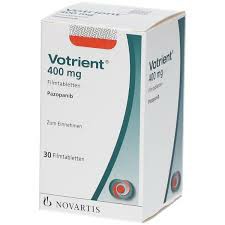
Taking it in half can significantly reduce the risk of adverse reactions, making it easier for patients to adhere to long-term treatment, but attention should be paid to efficacy monitoring and dose adjustment. If patients have disease progression or poor tumor control at half the dose, they need to be evaluated whether to return to the standard dose or use combination therapy. Reduce the dosage by half and require regular checks on liver function, blood pressure and blood routine tests and pay attention to potential drug interactions to ensure safety.
In clinical practice, halving the dosage is suitable for patients with poor tolerance or safety risks and can be used as an individualized dose adjustment strategy. Doctors should develop a dynamic dosage plan based on the patient's condition, previous treatment history and laboratory monitoring results to maintain drug efficacy as much as possible while ensuring safety. At the same time, patients should closely cooperate with the follow-up and adjust the plan promptly when disease progression or adverse reactions worsen to achieve a balance between efficacy and safety.
Reference materials:https://www.drugs.com/
[ 免责声明 ] 本页面内容来自公开渠道(如FDA官网、Drugs官网、原研药厂官网等),仅供持有医疗专业资质的人员用于医学药学研究参考,不构成任何治疗建议或药品推荐。所涉药品可能未在中国大陆获批上市,不适用于中国境内销售和使用。如需治疗,请咨询正规医疗机构。本站不提供药品销售或代购服务。


