
.jpeg)
What are the possible side effects of enzalutamide/enzalutamide?
Enzalutamide/Enzalutamide (Enzalutamide) is an oral androgen receptor inhibitor widely used in the treatment of prostate cancer. Although it has shown good efficacy in prolonging patient survival and controlling tumor progression, like all anti-cancer drugs, it also has a certain risk of side effects. Because its mechanism of action is to block cancer cell proliferation by profoundly inhibiting the androgen signaling pathway, patients may experience some pharmacologically related adverse reactions during treatment.
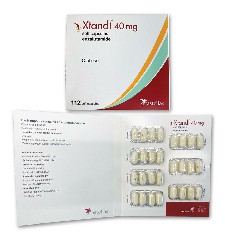
First of all, the more common side effects are fatigue and weakness, which are related to the effect of the drug on systemic hormone levels and energy metabolism. Some patients will experience decreased attention or mild cognitive dysfunction during long-term medication, and need to make appropriate adjustments to their life rhythm. Secondly, enzalutamide may cause hot flashes, joint pain, and muscle discomfort, which are closely related to changes in the endocrine environment after the androgen pathway is inhibited. In addition, some patients may experience loss of appetite, weight changes, and mild gastrointestinal discomfort, such as nausea or diarrhea, during treatment, but in most cases the symptoms are mild and tolerable.
It is important to note that enzalutamide may cause more serious adverse reactions in individual patients, such as an increased risk of seizures. Although the incidence is low, because the drug can penetrate the blood-brain barrier and affect the electrical activity of the nervous system, doctors need to be extra cautious when prescribing to patients with a history of epilepsy or brain lesions. In addition, a small number of patients may develop high blood pressure or heart-related problems, suggesting that blood pressure and cardiac function should be monitored regularly during use to avoid potential complications.
Another side effect to be concerned about is the risk of osteoporosis. Since androgen suppression itself accelerates bone loss, long-term use of enzalutamide may aggravate this situation. Therefore, some patients need to supplement calcium or vitamin D, or even use drugs to prevent bone loss.
Reference materials:https://www.xtandi.com/
[ 免责声明 ] 本页面内容来自公开渠道(如FDA官网、Drugs官网、原研药厂官网等),仅供持有医疗专业资质的人员用于医学药学研究参考,不构成任何治疗建议或药品推荐。所涉药品可能未在中国大陆获批上市,不适用于中国境内销售和使用。如需治疗,请咨询正规医疗机构。本站不提供药品销售或代购服务。


